



Severe procedural lapses and failure to follow statutory investigative manuals dismantle corruption charges involving route distributorships.
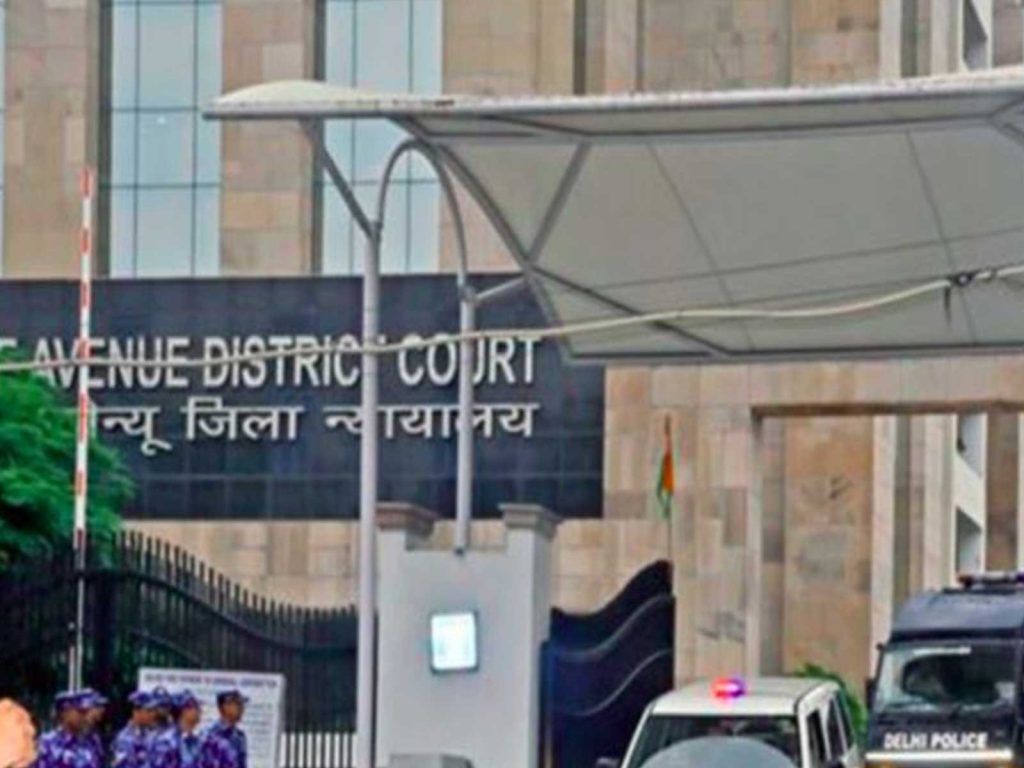
Judicial scrutiny over corporate compliance and statutory enforcement procedures in liquid milk distribution routes has resulted in the formal acquittal of a dairy executive facing corruption charges. Special judicial authorities dismissed allegations under the Prevention of Corruption Act, granting the benefit of the doubt to a zonal in-charge accused of soliciting an illicit payment of 60,000 rupees from a licensed distributor. The verdict emphasized that structural failures by federal investigators to follow mandatory statutory manuals fundamentally compromised the prosecution’s evidentiary foundation.
The dispute originated from allegations lodged by an authorized franchisee distributing packaged milk products under a promotional incentive scheme introduced in late 2024. The distributor alleged that company management threatened to cancel his distribution route authorization unless a direct financial commission was paid out of the proceeds from additional milk packet allocations. Securing predictable product margins and defending route allocations remain critical operational priorities for urban liquid milk vendors operating within competitive metropolitan markets.
Commercial rivalries and route management dynamics featured heavily in the defense arguments presented during trial proceedings. Defense counsel submitted that the grievance stemmed from management crackdowns on the vendor’s unauthorized parallel distribution of competing brand products, alongside corporate pressure to expand primary brand sales volumes. Furthermore, company executives had recommended appointing a second distributor within the same operating territory, which eliminated roughly 20,000 rupees in monthly secondary logistics revenue previously collected by the vendor from third-party transport operators.
Evidentiary standards collapsed when the court examined the operational steps taken during the underlying investigative verification and trap proceedings. Judicial findings revealed that investigating officers failed to document written administrative authorization, omitted vehicle registration logs and driver identities utilized during surveillance, and neglected to record the complainant’s spoken language. Furthermore, the formal complaint lacked mandatory supervisory endorsements and systematic case tracking numbers, creating significant procedural gaps that left open the possibility of evidence tampering.
Establishing transparency and strict governance across urban cold chains remains essential for commercial dairy brand equity and consumer trust. Packaged liquid milk processors operate complex, multi-tiered downstream distribution models that rely on franchised route vendors to maintain consistent retail shelf presence and defend market share. This ruling underscores that maintaining organizational integrity within dairy supply chains requires both corporate enforcement against contract breaches and strict adherence to verifiable legal procedures when handling distributor disputes.
Source: Webindia123
You can now read the most important #news on #eDairyNews #Whatsapp channels!!!
🇮🇳 eDairy News ÍNDIA: https://whatsapp.com/channel/0029VaPidCcGpLHImBQk6x1F