


Sustained feeder and breeder demand in Indonesia anchors robust live water buffalo export trade through the Port of Darwin.
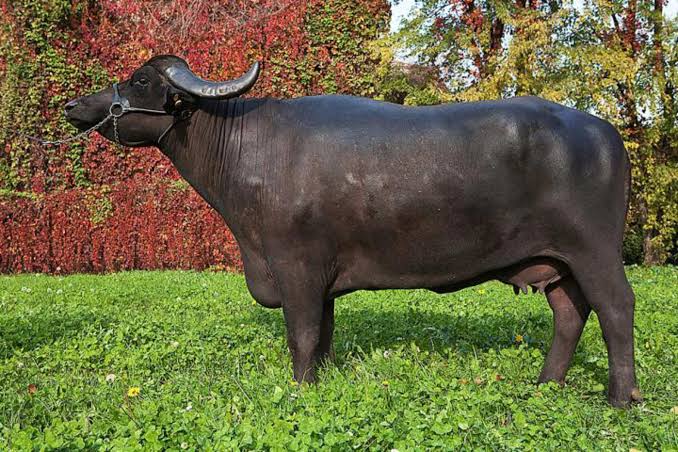
Live water buffalo shipments out of the Port of Darwin to Southeast Asian importing destinations—principally Indonesia—are maintaining strong export volumes, reinforcing a vital trade corridor for pastoralists and livestock handlers across the Northern Territory. Market commentary from ABC’s NT Country Hour highlights that steady commercial demand for Australian feeder and breeder buffalo reflects Indonesia’s ongoing efforts to diversify protein sources, build regional feedlot inventories, and expand domestic smallholder livestock breeding programs. Despite broader macroeconomic shifts and fluctuating live cattle shipping dynamics across northern Australian waters, the live buffalo export trade continues to demonstrate solid throughput and commercial resilience.
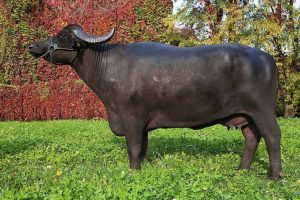
The water buffalo export trade represents a specialized, high-value component of northern Australia’s extensive livestock sector. Harvested and managed across vast pastoral stations, Indigenous land holdings, and floodplain regions of Arnhem Land and the Top End, Australian water buffalo are renowned for their hardiness, tick resistance, and exceptional feed conversion in tropical equatorial feedlots. For Indonesian commercial importers and feedlot operators, Australian swamp and river crossbred buffalo offer an economical, lean protein alternative that integrates smoothly into wet market retail channels and traditional culinary processing across Java and Sumatra, helping to stabilize domestic meat supply while supporting rural employment.
From an animal welfare, logistics, and biosecurity perspective, the live buffalo trade operates under stringent Australian Standards for the Export of Livestock (ASEL) and the Exporter Supply Chain Assurance System (ESCAS). Because buffalo possess distinct behavioral characteristics and stress thresholds compared to Bos indicus cattle, specialized handling infrastructure—including heavy-duty stock crates, non-slip loading ramps, and experienced livestock handlers—is essential at the Darwin port facility and aboard specialized livestock carriers. Maintaining high standards of nutrition, hydration, and ventilation during the short ocean crossing to Indonesian ports ensures animals arrive in optimal condition, satisfying rigorous veterinary inspection protocols and biosecurity mandates upon disembarkation.
From an enterprise finance and regional economic development perspective, a steady export pipeline creates significant off-take security and revenue diversification for pastoralists across the Top End. Live export contracts provide immediate, transparent farmgate cash flows that help station owners service capital debt, finance dry-season pasture improvements, and maintain boundary fencing and water reticulation systems. Furthermore, the buffalo industry plays an indispensable role in remote Indigenous communities, creating employment pathways in mustering, low-stress animal handling, road train haulage, and pre-export quarantine yard management, injecting vital private capital directly into northern Australia’s regional economy.
Looking ahead toward 2027, maintaining strong live export relationships with Indonesian trade partners will depend on continued diplomatic stability, transparent quota allocations, and long-term breeding cooperation. While demand for feeder buffalo remains anchored by urban red meat consumption, expanding interest in dual-purpose riverine buffalo genetics also opens long-term potential for cross-border dairy development, particularly for specialized buffalo milk, curd, and mozzarella manufacturing across Southeast Asia. As Australian exporters and station managers continue to professionalize herd genetics and invest in supply chain efficiency, the Darwin-to-Indonesia buffalo corridor stands as an enduring pillar of northern Australia’s international agricultural trade.
Source: ABC News Australia
You can now read the most important #news on #eDairyNews #Whatsapp channels!!!
🇮🇳 eDairy News ÍNDIA: https://whatsapp.com/channel/0029VaPidCcGpLHImBQk6x1F