

High-level officials in Leh have outlined a coordinated strategy to strengthen cooperative milk procurement, expand yak milk processing, establish fodder farms, and secure bulk supply agreements with paramilitary and police forces across the high-altitude Union Territory.
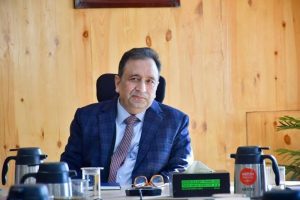
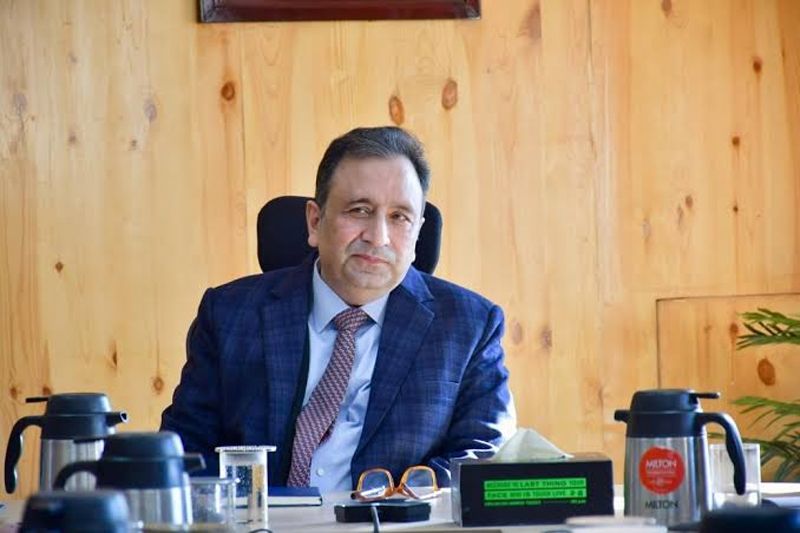
The Administration of the Union Territory of Ladakh has conducted a comprehensive review of regional dairy development initiatives, charting an operational roadmap to expand cooperative milk procurement, modernize processing infrastructure, and stabilize farmgate demand across the high-altitude region. Chaired by the Chief Secretary in Leh on November 17, 2026, the high-level meeting brought together Commissioner Secretary of Finance Tsewang Tharchin, Administrative Secretary of Industries and Commerce Himanshu Gupta, Administrative Secretary of Cooperative Bhanu Prabha, Additional Secretary of Cooperative Dr. Mohammad Usman Khan, the Managing Director of the Ladakh Milk Federation, senior directors from Animal Husbandry, Agriculture, and Horticulture, and technical representatives from the National Dairy Development Board (NDDB). By aligning financial incentives, institutional procurement, and specialized livestock infrastructure, the administration aims to transform Ladakh’s fragmented dairy production into a resilient cooperative value chain.
Stabilizing institutional off-take and streamlining producer payouts emerged as central priorities during the policy deliberations. Recognizing that seasonal fluctuations in milk demand from the Indian Army frequently disrupt local supply chains and create cash-flow uncertainty for rural herders, the Chief Secretary emphasized diversifying institutional buyers across the region. Officials directed departments to explore formal Memorandums of Understanding (MoUs) with the Indo-Tibetan Border Police (ITBP), the Border Roads Organisation (BRO), and the Ladakh Police Department for bulk procurement and distribution of fresh milk. Simultaneously, the administration underscored the need for a structured producer incentive mechanism channeled strictly through village dairy cooperative societies to guarantee financial transparency, eliminate intermediaries, and deliver direct income support to primary milk suppliers.
Value-added yak milk processing and specialized cold-chain infrastructure represent major growth avenues tailored to Ladakh’s unique high-altitude agro-ecology. During the review, officials assessed the commercial potential and technical bottlenecks surrounding yak dairy products, emphasizing the urgent need for specialized dairy processing expertise, chilling equipment, and dedicated value-addition facilities. Yak milk—naturally richer in butterfat, proteins, and bioactive compounds than conventional bovine milk—offers significant potential for niche artisanal cheeses, clarified butter, and functional nutrition products capable of commanding premium prices both within regional tourism markets and across mainland India. Building local technical capacity alongside NDDB guidance will be essential to scaling hygienic collection and processing across remote nomadic and pastoralist settlements.
Upstream feed security and genetic improvement initiatives formed another critical pillar of the multi-departmental action plan. Because extreme winter temperatures, arid terrain, and short growing seasons severely constrain year-round roughage availability in Leh and Kargil, administrators discussed establishing dedicated fodder farms and structured breeding centers in close coordination with the Animal Husbandry and Dairy Development departments. Introducing climate-adapted, high-yielding dairy cattle alongside improved fodder conservation practices will directly address the root causes of winter milk deficits while reducing dependence on expensive feed transported over mountain passes.
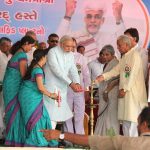
Broader infrastructure investments recently launched across the Union Territory underscore sustained national commitment to tripling Ladakh’s organized daily milk procurement from roughly 7,000 litres to 21,000 litres over the next four years. Earlier in November 2026, Union Home and Cooperation Minister Amit Shah laid the foundation stone for a Rs 25-crore, 10,000-litre-per-day solar-assisted dairy processing plant in Kargil under the National Programme for Dairy Development, alongside a 4,000-litre bulk milk cooler and plans for a 50,000-litre-per-day facility in Leh. Complemented by digital milk testing platforms and a retail partnership with Mother Dairy, these capital assets lay the physical foundation for the cooperative governance reforms reviewed in Leh.
Looking ahead into 2027, synchronizing institutional bulk procurement agreements with fodder development and yak milk processing will determine how rapidly Ladakh achieves milk self-sufficiency. By anchoring producer incentives within transparent cooperative societies and expanding high-altitude chilling networks, the administration is building a durable economic engine for rural livestock farmers across the Himalayan region.
Source: Daily Excelsior
You can now read the most important #news on #eDairyNews #Whatsapp channels!!!
🇮🇳 eDairy News ÍNDIA: https://whatsapp.com/channel/0029VaPidCcGpLHImBQk6x1F