

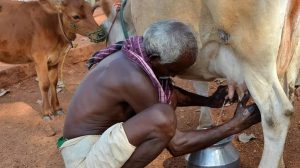
Covering roughly 3.9 lakh milk producers who supply 36 lakh litres daily to the state cooperative network, the revised statutory rules lift accidental death relief to Rs 5 lakh and marriage assistance to Rs 1 lakh.
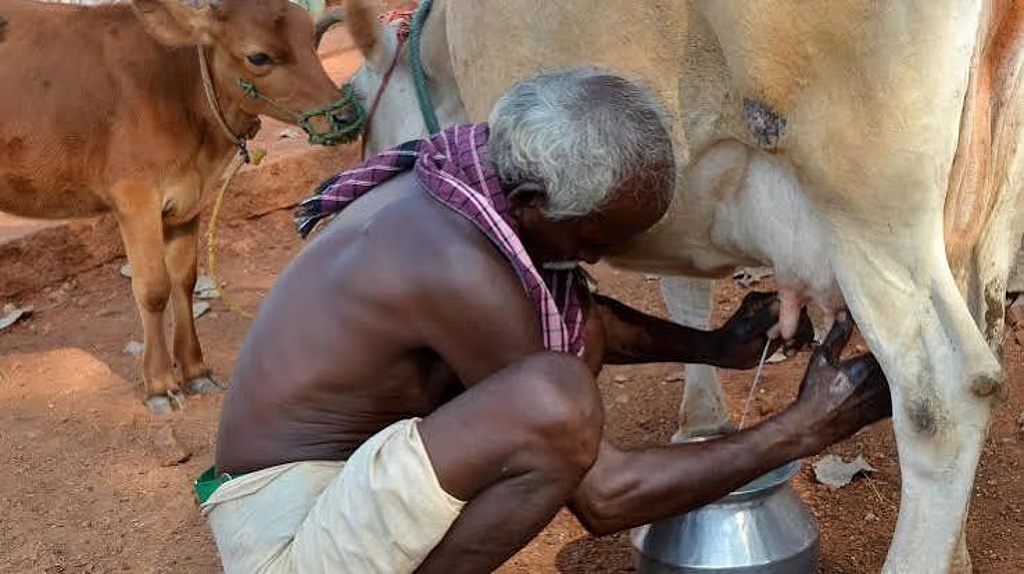
The Tamil Nadu state government has formally expanded financial welfare protections for cooperative dairy farmers, increasing statutory payouts across accidental death, permanent disability, and family marriage assistance categories. Notified through a Government Order amending the Restructured Perarignar Anna Co-operative Milk Producers Welfare Fund Rules, 2010, and published in the Tamil Nadu Government Gazette, the revised framework strengthens social security coverage for roughly 3.9 lakh milk producers supplying approximately 36 lakh litres of raw milk daily to cooperative societies across the state. By upgrading financial safety nets for primary milk suppliers, state authorities aim to reinforce farmer loyalty to the public cooperative network amid aggressive procurement competition from private dairy processors.
Statutory payout revisions under the amended welfare rules deliver substantial increases in direct household compensation for registered cooperative members. Under the updated schedule, compensation payable to bereaved families in the event of a member’s accidental death has been raised from Rs 4 lakh to Rs 5 lakh, while financial relief for permanent total disability has increased from Rs 2.25 lakh to Rs 2.5 lakh. Additionally, marriage assistance provided to eligible cooperative producers and their dependents has been lifted to Rs 1 lakh, easing major household capital expenses for smallholder rural families. To sustainably finance the expanded payout structure without straining cooperative operating budgets, the amendment to Rule 11 adjusts the nominal monthly membership subscription deducted from milk suppliers from Rs 10 to Rs 15.
Cooperative procurement dynamics across Tamil Nadu underscore why strengthening non-price farmer welfare mechanisms has become a strategic priority for state dairy planners. While Tamil Nadu ranks among India’s largest milk-producing states, the state-run Tamil Nadu Co-operative Milk Producers’ Federation (Aavin) has faced persistent raw milk procurement gaps against private-sector dairies that frequently offer flexible spot incentives. Combining direct farmgate procurement price revisions—which reached Rs 44 per litre alongside an expanded Rs 5 per litre producer incentive—with comprehensive social insurance and household welfare coverage differentiates cooperative membership from purely transactional private milk collection. Reliable institutional support helps anchor daily milk deliveries at village primary milk producers’ cooperative societies throughout seasonal weather fluctuations.
Broader state-level livestock development programs further complement the upgraded welfare fund by expanding rural herd ownership and women-led dairy entrepreneurship. Alongside the enhanced cooperative welfare rules, the state government has allocated Rs 57 crore under its 2026–27 budget to distribute free high-yielding milch cows—targeting animals capable of producing at least 8 litres of milk daily—to 10,000 low-income and landless rural women. Supported by structured training in balanced cattle feeding, artificial insemination, mastitis prevention, and routine veterinary care, these initiatives link new smallholder producers directly into village cooperative collection centers equipped with electronic fat and solids-not-fat testing and direct bank account settlements.
From an industry resilience perspective, integrating social security coverage with transparent farmgate pricing strengthens long-term milk shed stability in southern India. Smallholder dairy farming remains labor-intensive and vulnerable to sudden household emergencies, medical shocks, or livestock losses that can force rural families to exit milk production prematurely. Institutionalizing affordable group accident, disability, and family welfare protections through a modest Rs 15 monthly contribution pools risk across nearly four hundred thousand producers while keeping administrative overhead minimal.
Looking ahead into 2027, sustained growth in cooperative milk procurement across Tamil Nadu will depend on maintaining competitive farmgate realizations alongside timely disbursement of welfare and livestock support schemes. As Aavin works to expand daily raw milk inflows to satisfy surging urban liquid milk and value-added product demand in Chennai and regional centers, retaining active village-level suppliers remains paramount. How effectively cooperative unions pair direct financial safety nets with modern chilling and veterinary extension services will shape milk supply security across Tamil Nadu over the coming years.
Source: The New Indian Express
You can now read the most important #news on #eDairyNews #Whatsapp channels!!!
🇮🇳 eDairy News ÍNDIA: https://whatsapp.com/channel/0029VaPidCcGpLHImBQk6x1F