


With drought conditions declared across 265 talukas and rainfall deficits reaching up to 52% in key dairying pockets like Solapur and Marathwada, smallholders struggle with dry borewells, surging dry fodder prices, and plummeting milk yields.
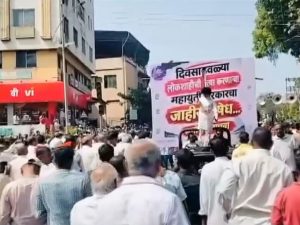
A severe deficit in seasonal monsoon rainfall has triggered an acute fodder and drinking water crisis across Maharashtra, threatening the economic backbone of the state’s smallholder dairy sector. As reported in an investigative dispatch by CNBC-TV18, parched grazing pastures, depleted groundwater tables, and depleted dry roughage inventories have left livestock producers struggling to keep herds hydrated and nourished, forcing many into distress cattle sales and herd liquidations.
The crisis follows widespread monsoon deficits across central and western Maharashtra, with the state government declaring drought conditions across 265 of its 358 talukas (nearly 74% of the state). In high-density dairying regions such as Sangola in Solapur district—where seasonal rainfall contracted by 52% (recording just 229.1 mm against a normal 468.3 mm)—as well as the rain-shadow belts of Marathwada and Vidarbha, traditional agricultural coping mechanisms are buckling under environmental stress.
Key operational and financial pressures documented on the ground include:
-
Surging Feed and Roughage Costs: With green fodder crops like maize, sorghum (jowar), and Napier grass failing in the fields, prices for dry crop residues have surged. In regional markets, 100 bundles of jowar kadba (sorghum straw) have jumped from ₹2,500 to over ₹4,000, while commercial concentrate cattle feed has climbed by 20% to 30%, severely squeezing farm cash flows.
Depleted Water Security and Borewell Failures: Groundwater extraction points that previously sustained daily herd watering requirements are failing, with borewells running dry at depths exceeding 500 to 600 feet. Commercial herds requiring 5,000 litres of water daily are now forced to purchase expensive private water tanker deliveries, further eroding operating margins.
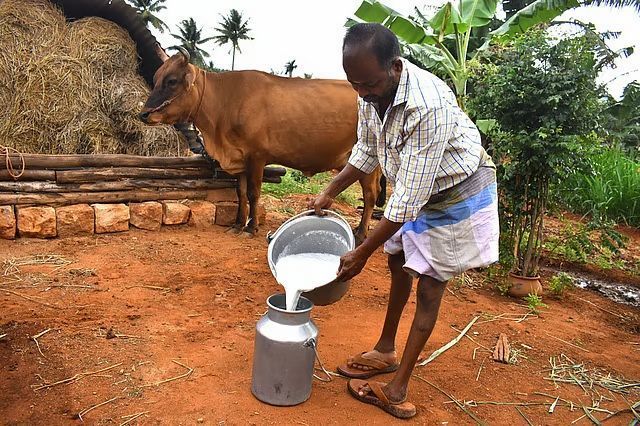
Plummeting Lactation Yields & Missed Cycles: Heat stress combined with sub-optimal dry roughage has caused daily animal milk yields to drop by 30% to 50%. Veterinary analysts note that nutritional deficits during October and November compromise estrus cycles and conception rates, risking a reproductive setback that will suppress dairy farm cash flow for the next 12 to 18 months.
Distress Livestock Offloading: In major regional cattle markets such as Vadod and Yavatmal, livestock listings have surged by up to 40% as farmers offload milch cows and buffaloes at steep discounts—often 30% to 35% below fair market value—simply because they cannot afford the daily carrying cost of water and feed until the next monsoon.
While district administrations have begun establishing emergency cattle fodder camps (chara chhavnis) and enforcing inter-district fodder transport bans to conserve local biomass, farmer organizations argue that existing state compensation norms (currently set around ₹80 per adult animal and ₹45 per calf per day) are insufficient given the sharp inflation in commercial feed and transport costs.
From an agribusiness supply-chain and dairy economics perspective, Maharashtra’s fodder deficit threatens raw milk procurement across both cooperative federations and private dairies heading into the winter flush season. While farmgate procurement prices for cow milk (₹42/litre) and buffalo milk (₹56/litre) remain relatively stable, the escalation in feed input costs has turned operational margins negative for unhedged producers. Without targeted feed subsidies, expanded fodder distribution corridors, and concessional working-capital credit, herd destocking will create a prolonged supply deficit that could drive retail consumer dairy inflation across major urban demand centers like Mumbai and Pune.
Maharashtra Agrarian Distress & Fodder Crisis
Maharashtra Dairy Drought: Fodder & Economic Deficit
Rainfall contraction, input price inflation, and livestock distress benchmarks.
Drought Footprint
265 Talukas
74% of Maharashtra
Straw Price Jump
+60% YoY
₹2,500 → ₹4,000 / 100 bundles
Milk Output Dip
-30% to -50%
Due to heat & feed deficits
Primary Vulnerabilities Across the Dairy Value Chain
Fodder Biomass Collapse & Inter-District Bans
Failed monsoon rains destroyed green fodder standing crops; several district administrations have restricted fodder transport, creating local price spikes.
Water Table Depletion & Tanker Costs
Deep borewells running dry require producers to purchase commercial tanker water to hydrate herds, turning operating margins negative.
Distress Selling at Regional Livestock Mandis
Cattle offerings at rural mandis have climbed 40%, with breeding cows and buffaloes offloaded at 30% discounts to avoid starvation costs.
Impact Area: Solapur, Marathwada & Vidarbha Belts
Severe Fodder Deficit
Severe Fodder Deficit
Source: CNBC-TV18 / Maharashtra Animal Husbandry Reports
eDairyNews India Agribusiness Intelligence
eDairyNews India Agribusiness Intelligence
Source: CNBC-TV18
You can now read the most important #news on #eDairyNews #Whatsapp channels!!!
🇮🇳 eDairy News ÍNDIA: https://whatsapp.com/channel/0029VaPidCcGpLHImBQk6x1F