

State laboratory testing reveals widespread adulteration and substandard quality in paneer across Jharkhand, prompting food safety authorities to intensify festive market crackdowns.
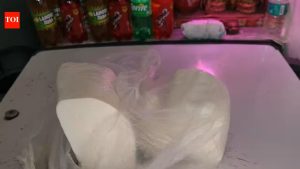
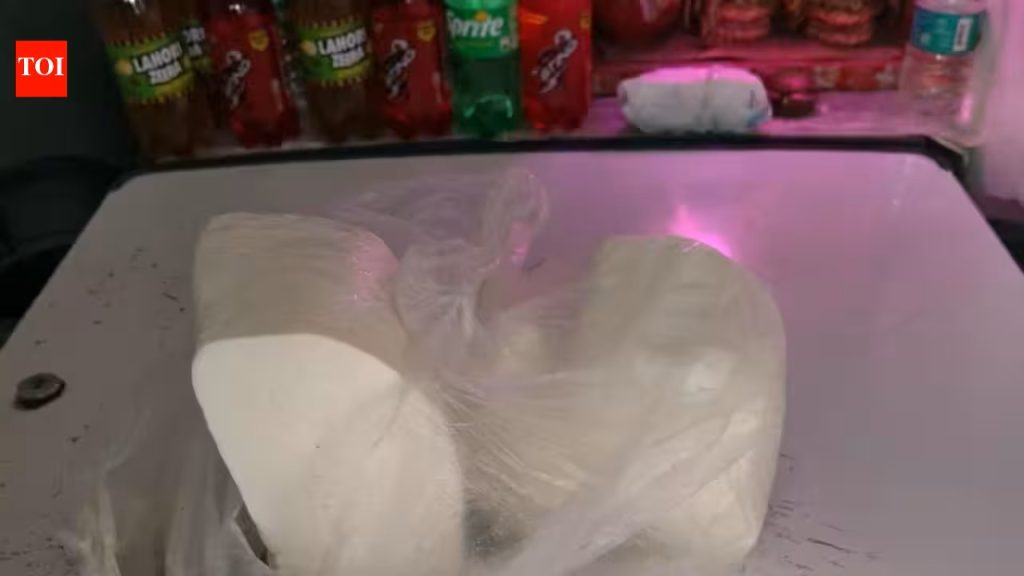
Nearly seven in ten paneer samples tested by Jharkhand’s state food testing laboratory since late September have failed statutory quality and safety benchmarks, exposing severe compliance vulnerabilities across the regional dairy processing and distribution chain. Official data released by state food safety authorities confirms that of approximately 60 samples collected across nearly all districts since September 20, roughly 70 percent failed to meet the standards prescribed by the Food Safety and Standards Authority of India (FSSAI). The capital district of Ranchi recorded a disproportionately high failure rate, with five out of more than six local samples failing laboratory verification. Food safety enforcement teams have responded by widening inspections and seizure operations targeting milk, khoya, edible oils, and cottage cheese manufacturing units during the high-demand festive corridor.
From a dairy chemistry and food safety perspective, the extensive test failures point to widespread substitution of milk solids and sub-par manufacturing hygiene. Under FSSAI regulations, genuine paneer must be prepared exclusively through the acid coagulation of bovine milk, containing a minimum milk fat content of 50 percent on a dry matter basis and a maximum moisture limit of 60 percent. Substandard products frequently fail these compositional baselines when manufacturers skim valuable butterfat and replace it with cheaper hydrogenated vegetable fats, refined palm oil emulsions, or starch fillers to mimic traditional texture and bulk. Ranchi Food Safety Officer Pawan Kumar warned that consuming substandard and adulterated paneer deprives consumers of essential dairy protein and bioavailable calcium, while introducing potential gastrointestinal and metabolic hazards from synthetic emulsifiers, unapproved coagulants, and elevated microbial counts caused by deficient cold-chain handling.
The surge in non-compliant paneer reflects a recurring structural mismatch between raw milk availability and seasonal consumer demand during India’s autumn festival period. With regional celebrations like Navratri, Durga Puja, and Diwali driving a sharp spike in demand for traditional sweets, curds, and paneer dishes, the organized local milk pool struggles to satisfy sudden consumption peaks. Unscrupulous middlemen and unregistered processors exploit this supply deficit by manufacturing synthetic or reconstituted batches using skimmed milk powder (SMP), urea, detergents, and industrial vegetable oils. Recent enforcement actions illustrate the scale of informal manufacturing: on September 26, food safety inspectors in Ranchi seized 48 kilograms of suspected adulterated paneer and allied perishables from an operational dairy in the Steel Gate area, where the facility was found operating with an expired FSSAI registration and an absent licensee.
From a commercial market and dairy enterprise standpoint, widespread quality failures among unorganized vendors severely distort fair market competition for compliant processors. Organized dairy cooperatives, such as the Jharkhand State Cooperative Milk Producers’ Federation (JMF) marketing under the Medha brand, along with established private dairy companies, invest heavily in cold-chain logistics, automated pressing equipment, and Fourier Transform Infrared (FTIR) analytical testing to maintain strict FSSAI compliance. However, counterfeit and substandard paneer manufactured at a fraction of the cost undercuts genuine dairy products on retail price points in wholesale bazaars and neighborhood sweet shops. Strengthening regulatory surveillance and penalizing non-compliant operators protects consumer health while leveling the commercial playing field for processors adhering to Good Manufacturing Practices (GMP).
At the farmgate level, stamping out adulterated dairy products is vital for protecting the economic livelihoods of smallholder milk producers. When illicit manufacturers synthesize artificial paneer using non-dairy oils and chemical extenders, millions of liters of genuine farm-fresh milk are displaced from the commercial procurement shed, depressing farmgate milk prices. Jharkhand’s smallholder dairy farmers, who already navigate high livestock feed costs and seasonal production volatility, depend on steady procurement demand from organized processors to sustain their household cash flows. Enforcing strict laboratory testing, digitizing supply chain inspections, and holding retail vendors accountable ensures that urban consumer spending directly supports legitimate dairy producers, reinforcing the long-term integrity and sustainability of eastern India’s dairy value chain.
Source: The Times of India
You can now read the most important #news on #eDairyNews #Whatsapp channels!!!
🇮🇳 eDairy News ÍNDIA: https://whatsapp.com/channel/0029VaPidCcGpLHImBQk6x1F