



Sambalpur district administration launches an integrated agricultural initiative, targeting 5,000 farmers with dairy development programs, livestock surveys, and cold-chain market linkages.
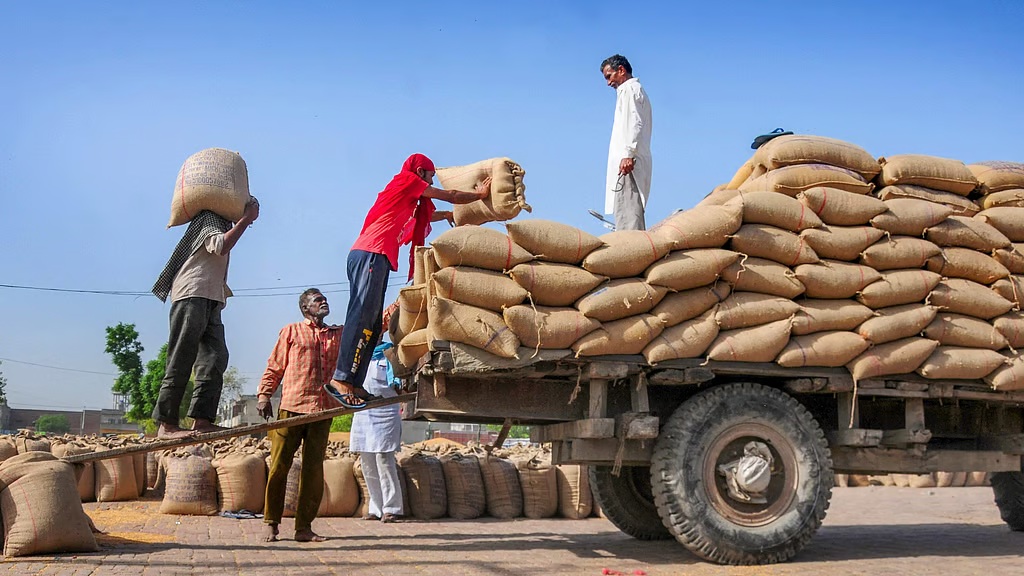
The district administration of Sambalpur in western Odisha has unveiled a targeted agricultural intervention to identify and support 5,000 integrated farmers, aiming to lift rural household earnings through agricultural diversification, cluster-based production, and structured market linkages. Formalized during a high-level review meeting attended by Odisha Rural Development Minister Rabi Naik, Sambalpur MLA Jayanarayan Mishra, and Sambalpur District Collector Siddheshwar Baliram Bondar, the policy initiative places animal husbandry and dairy enterprise at the center of rural income generation. Administrative departments have been directed to coordinate state and central development schemes to deliver livestock assets, technical training, and institutional marketing channels directly to smallholders across the district.
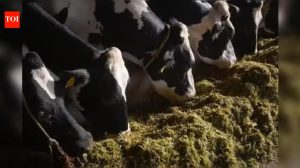
In the animal husbandry and dairy segment, the administration’s strategy focuses on conducting rigorous livestock surveys, accelerating government dairy development schemes, and deploying targeted interventions to increase village milk production. Smallholder dairy farming in western Odisha has historically faced structural constraints, including low genetic potential of non-descript indigenous cattle, fragmented feed availability, and irregular veterinary coverage. Under the new initiative, extension officers will prioritize artificial insemination using high-pedigree semen, scientific ration balancing, and routine herd health immunization schedules. Establishing accurate livestock census data at the panchayat level will allow authorities to identify milk-surplus pockets, structure village collection points, and optimize daily milk collection logistics.
A critical pillar of the program involves establishing robust cold-chain infrastructure and conducting thorough market assessments to prevent post-harvest spoilage and price exploitation. The review meeting emphasized the setup of decentralized cold storage facilities and chilling points to support both dairy and allied perishable produce. In rural procurement sheds, the absence of accessible bulk milk coolers (BMCs) has frequently forced smallholders to sell surplus evening milk to informal middlemen at discounted rates. Expanding cold-chain chilling capacity allows raw milk to be stabilized at 4 degrees Celsius immediately after milking, maintaining bacterial quality standards and facilitating seamless integration into organized cooperative collection networks, including the Odisha State Cooperative Milk Producers’ Federation (OMFED) and commercial private dairies.
From an enterprise finance and smallholder economics perspective, integrating dairy cattle management into mixed cropping systems provides essential liquidity and balance sheet diversification. While seasonal harvest receipts from paddy or horticultural crops arrive in lump sums months apart, daily milk collections generate consistent, weekly or bi-monthly cash payouts that fund essential household expenses and farm working capital. Diversified farms that combine crop residue feeding with dairy cattle also generate high-value organic manure, improving soil structure and cutting chemical fertilizer costs across companion fruit and spice crops. For rural lending institutions, the reliable cash flows generated by daily dairy operations significantly reduce credit default risks, unlocking formal micro-credit and working capital loans for herd expansion.
At the farmgate level, the Sambalpur initiative provides a practical roadmap for transforming subsistence farming into sustainable agribusiness. By targeting 5,000 integrated producers with technical support, cold-chain access, and dairy procurement channels, Odisha aims to lift rural incomes and curb agricultural distress in western districts. As regional consumer demand for pasteurized fluid milk, paneer, and fermented dairy products expands across growing urban markets like Sambalpur and Rourkela, linking organized smallholder clusters to commercial processing channels will be instrumental in driving long-term dairy self-sufficiency and rural economic stability heading into 2027.
Source: The New Indian Express
You can now read the most important #news on #eDairyNews #Whatsapp channels!!!
🇮🇳 eDairy News ÍNDIA: https://whatsapp.com/channel/0029VaPidCcGpLHImBQk6x1F