


India targets 75,000 new dairy cooperatives under White Revolution 2.0 to expand processing scale and farmgate margins.
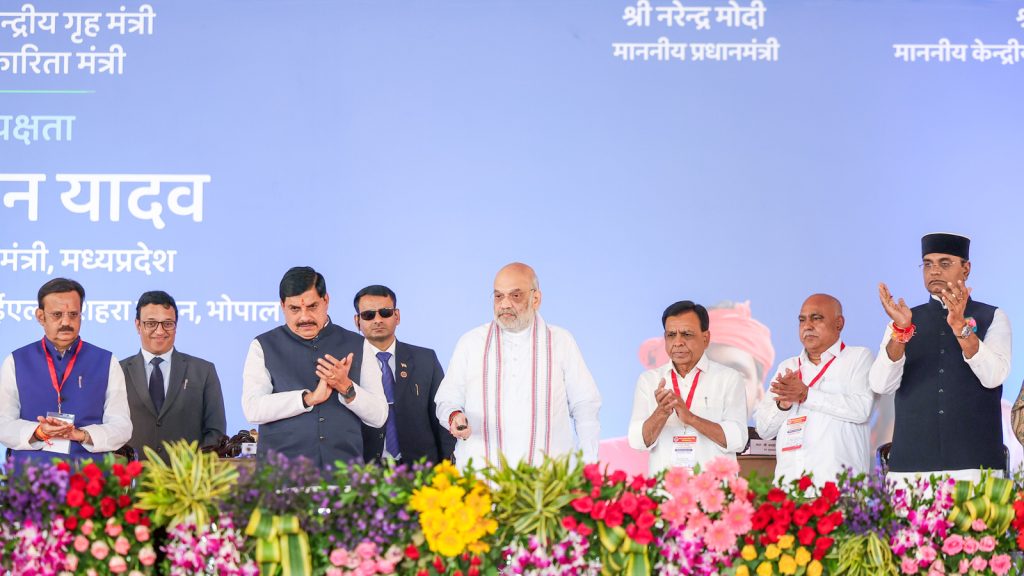
The Indian central government has rolled out an expansive cooperative modernization drive under the White Revolution 2.0 program, setting a strategic target to establish 75,000 new village-level dairy cooperative societies and strengthen 46,000 existing operational units nationwide. As a central pillar of this agricultural push, Madhya Pradesh is positioned to receive substantial capital investments to aggregate fragmented milk sheds into formal procurement grids. Union Minister of Cooperation Amit Shah highlighted that national milk output has demonstrated rapid expansion, climbing from 146 million metric tons during the 2014-15 financial year to approximately 248 million metric tons in recent operational cycles. This substantial production growth has driven domestic per capita milk availability up by 58 percent, advancing from 307 grams per day to 485 grams per day over the same comparative window. By integrating unorganized milk producers into formal cooperative channels, the central initiative aims to insulate smallholders from intermediary price discounting while consolidating India’s position as the world’s leading volume milk producer.
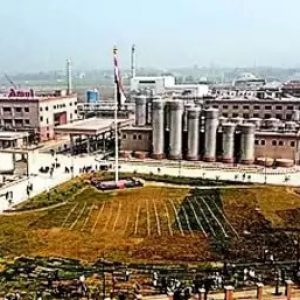
A major operational objective of the expansion in Madhya Pradesh centers on upgrading municipal and district processing plants to shift farmgate surplus into high-margin value-added dairy portfolios. Cooperative federations, including the state’s flagship Sanchi network, are broadening production lines for butter, ghee, ice cream, cheese, curd, buttermilk, and concentrated dairy solids such as mawa to maximize raw material retention. Processing diversification enables manufacturing plants to absorb seasonal flush volumes while securing higher realization multiples compared to basic pasteurized liquid milk distribution. To reinforce raw material quality and herd yields, the state administration granted in-principle approval to allocate 50 acres of land dedicated to advanced cattle and buffalo breed improvement centers. These breeding facilities will deploy high-indexing genetics, artificial insemination, and sex-sorted semen protocols to systematically enhance lactation curves across indigenous livestock populations.
The rapid expansion of domestic processing capacity is increasingly mirrored in outward trade performance, with Indian dairy exports reaching approximately 4,666 crore rupees across strategic international consumer markets. Shipments of specialty fats, milk powders, and shelf-stable traditional dairy formulations have secured commercial footholds across high-demand import destinations, including the United Arab Emirates, Saudi Arabia, the United States, Bangladesh, and Bhutan. Industry analysts point out that sustaining export momentum requires domestic cooperatives to enforce stringent hygienic standards and cold-chain compliance right from the initial farm collection point. Capturing growing market share in specialized dairy segments shields regional cooperative unions from localized supply gluts and fluctuating wholesale commodity realizations. Furthermore, establishing resilient logistics corridors between inland processing clusters in central India and major export terminals will prove critical to sustaining export profitability over the coming decade.
Beyond conventional dairy processing, the economic architecture of White Revolution 2.0 integrates commercial dung management to unlock secondary cash flows and bolster farm enterprise balance sheets. Technology-driven collection and anaerobic bio-digestion systems are being established across rural hubs to convert bovine waste into compressed biogas and organic fertilizer inputs. Monetizing animal manure creates an additional recurring revenue line for smallholders while directly contributing to national agricultural methane reduction targets and circular economy objectives. At the institutional level, financial liquidity is being directed through targeted dairy credit vehicles, including the Dr. Bhimrao Ambedkar Kamdhenu Yojana, which provides subsidized capital outlays for herd acquisition and barn infrastructure. These structured financial interventions alleviate debt burdens for smallholder operators, enabling rural families to reinvest liquid returns into higher-efficiency farm assets and automated chilling technologies.
Direct financial inclusion and gender equity remain fundamental to the operational execution of the cooperative framework, which channels electronic milk payments directly into the bank accounts of women livestock rearers, recognized as Gaupalak Didis. Providing unmediated digital payments and periodic cooperative dividend bonuses eliminates cash-handling leakages, ensuring that primary producers capture transparent remuneration based strictly on fat and solids-not-fat metrics. Enhanced supplier engagement will also be supported by comprehensive herd healthcare interventions, including universal livestock vaccination drives and scientific nutritional fodder management programs. Strengthening producer loyalty through cooperative patronage refunds and subsidized veterinary extension creates a self-reinforcing production ecosystem that buffers smallholders against feed grain inflation. Looking ahead, scaling cooperative governance across central India under the White Revolution 2.0 roadmap establishes a commercially viable model designed to raise rural prosperity and secure national nutritional security.
Source: DD India
You can now read the most important #news on #eDairyNews #Whatsapp channels!!!
🇮🇳 eDairy News ÍNDIA: https://whatsapp.com/channel/0029VaPidCcGpLHImBQk6x1F