

Strategic development plan focuses on livestock breeding, feed availability, and processing networks to close regional milk deficits.
Agricultural policymakers across northeastern India are mobilizing an integrated development roadmap to expand domestic dairy processing volumes and eliminate structural milk supply deficits. With consumer demand for fresh fluid milk and packaged milk solids rapidly outpacing localized collections, authorities are coordinating strategic interventions across primary production catchments. The initiative centers on elevating regional dairy output to insulate local markets from inter-state import dependencies and establish long-term price stability for staple food items.
Genetic upgrades and reproductive herd management form the initial operational cornerstone of the proposed productivity drive. Conventional milk yields per bovine head across the region have historically lagged national benchmarks due to the dominance of low-producing nondescript native cattle. Expanding systematic artificial insemination programs with proven high-component dairy genetics, alongside introducing crossbreeding protocols, is engineered to increase average daily lactation volumes and significantly lower the marginal cost of producing raw milk.
Feed security and livestock nutrition are simultaneously being prioritized to overcome severe localized fodder constraints. Milk production margins across fragmented smallholder farms face ongoing compression from high transportation freight on imported commercial feed concentrates and seasonal shortages of green forage. Establishing targeted fodder cultivation plots, silage preservation facilities, and structured supply chains for balanced cattle feed rations will be crucial to supporting higher bovine nutritional requirements and stabilizing lactation performance through dry months.
Procurement logistics and rural cold-chain infrastructure will require parallel capital deployment to capture rising on-farm volumes. The absence of comprehensive village-level bulk milk chilling facilities frequently exposes unorganized smallholders to quality degradation and exploitative middleman pricing. Constructing modern chilling centers, deploying digital milk testing equipment, and organizing cooperative collection routes will guarantee primary producers an efficient commercial channel to deliver hygienic raw milk to processing plants.
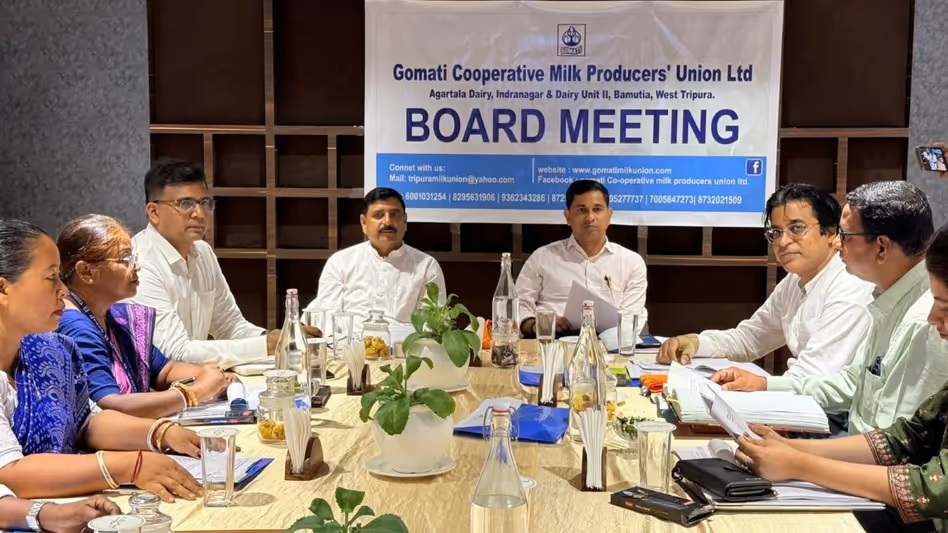
Long-term execution across northeastern production belts hinges on aligning public investment programs with private and cooperative dairy processing capacity. Broad stakeholder consultations across dairy federations, private entrepreneurs, and smallholder unions are shaping the final regulatory and financial parameters of the multi-year plan. Building resilient regional processing operations will ensure sustained farmgate remuneration, stimulate rural employment, and secure accessible domestic dairy proteins across growing consumer centers.
Source: India Today NE
You can now read the most important #news on #eDairyNews #Whatsapp channels!!!
🇮🇳 eDairy News ÍNDIA: https://whatsapp.com/channel/0029VaPidCcGpLHImBQk6x1F