


Food safety directives mandate clear distinction between genuine dairy solids and vegetable fat substitutes across foodservice menus and retail packs.
Regulatory enforcement across South Asia’s dairy processing sector has reached a critical turning point as food safety authorities intensify surveillance over dairy analogues marketed under traditional nomenclature. Official compliance mandates now require commercial food establishments and packaged goods manufacturers to cease presenting vegetable-fat-based cheese and paneer substitutes as authentic milk products. This regulatory intervention addresses widespread commercial practices where non-dairy formulations mimicking the texture, taste, and melting profiles of milk solids were sold without explicit identity disclosures to consumers.
Commercial proliferation of dairy analogues has accelerated rapidly over recent fiscal cycles, driven primarily by wide cost differentials between imported palm oils and domestic milk fat. Analogue formulations replace standardized butterfat and milk casein with hydrogenated vegetable oils, modified starches, and emulsifying salts, significantly undercutting the production economics of genuine dairy processors. While these formulations provide cost-saving functional alternatives for industrial bakeries, quick-service pizza chains, and catering operators, presenting them under standard dairy terms dilutes category integrity and diverts revenue away from primary milk handlers.
Foodservice operators face tightened operational scrutiny under new statutory provisions that require conspicuous point-of-sale disclosures whenever non-dairy substitutes are utilized in culinary preparations. Restaurants, commercial kitchens, and cloud delivery brands must explicitly declare analogue usage directly on customer-facing menus and recipe descriptions rather than relying on ambiguous dairy terminology. Furthermore, packaged product manufacturers licensed under the analogue context must immediately eliminate terms such as paneer or cheese from brand names, front-of-pack displays, and promotional claims to prevent consumer deception.
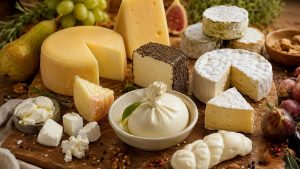
Primary dairy processors and cooperative federations have strongly endorsed the enforcement drive as a necessary measure to defend farmgate procurement economics. Authentic paneer and cheese manufacturing represents an indispensable outlet for balancing seasonal flush milk, requiring roughly ten liters of whole raw milk to yield a single kilogram of curd solids. Unregulated competition from low-cost vegetable oil analogues artificially suppresses wholesale curd values, undermining the ability of processing plants to sustain premium procurement payouts and support investments in smallholder cold-chain infrastructure.
Compliance monitoring and analytical testing will intensify across regional wholesale markets and distribution nodes over the coming quarters to guarantee strict supply chain traceability. State enforcement wings are deploying standardized compositional testing protocols to detect non-milk fats and unauthorized starches across commercial consignments, applying legal penalties to unlabelled blended products. Establishing unambiguous regulatory boundaries between real dairy proteins and synthetic alternatives safeguards consumer transparency while ensuring genuine milk processors retain their earned market share across the expanding value-added food complex.
Source: F&B News
You can now read the most important #news on #eDairyNews #Whatsapp channels!!!
🇮🇳 eDairy News ÍNDIA: https://whatsapp.com/channel/0029VaPidCcGpLHImBQk6x1F