

Madhya Pradesh producers call for ₹12 fat rate and feed subsidies after motorcycle rally and sit-in at district collectorate.
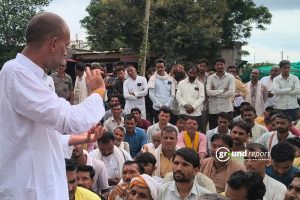
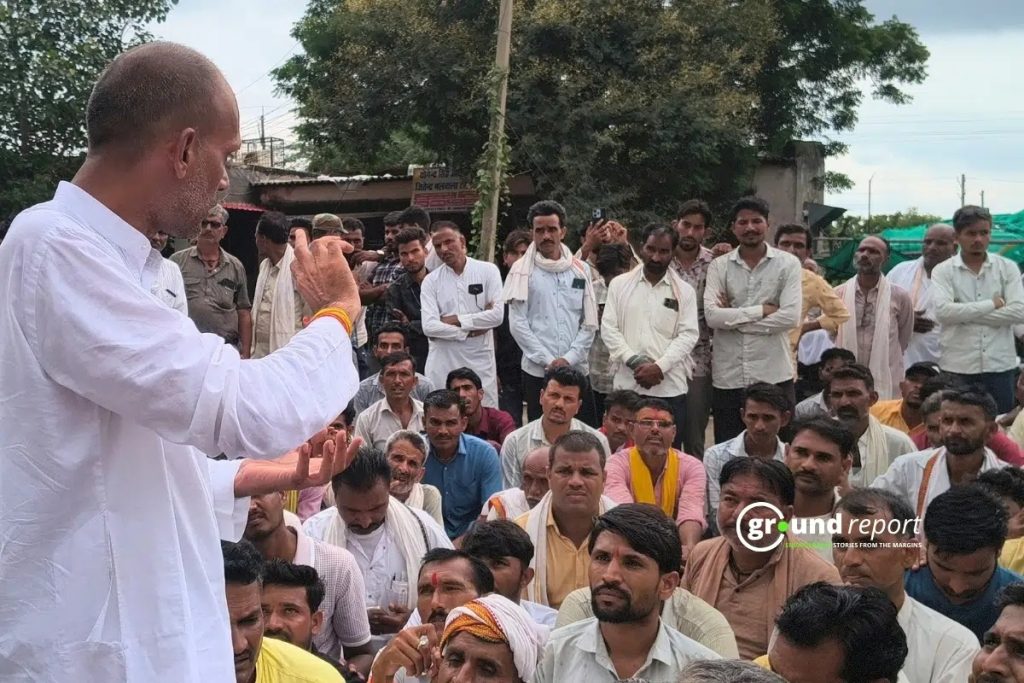
Dairy farmers across the Rajgarh district of Madhya Pradesh have agreed to temporarily suspend their five-day milk supply strike until September 30, following administrative assurances from local authorities. As reported by Ground Report, the agitation—which commenced on September 13—temporarily halted milk deliveries and culminated in a motorcycle rally from the Devnarayan Temple to the district collectorate. Protest leaders agreed to resume regional milk distribution after Deputy Collector Nidhi Bhardwaj confirmed that producer demands had been formally submitted to the National Dairy Development Board (NDDB) and regional cooperative milk union leadership.
At the heart of the standoff is a demand for a structural revision in milk fat pricing. Dairy farmers are urging the government to increase the baseline fat payout to ₹12 per unit, which would lift procurement prices to ₹80 per litre for cow milk and ₹100 per litre for buffalo milk. Currently, producers report receiving roughly ₹30 to ₹40 per litre for buffalo milk testing at 4% fat under prevailing rates of ₹8 to ₹9 per unit. Representatives highlighted the stark margin disparity with retail processing, pointing out that state cooperative brand Sanchi processes raw intake into high-value derivatives such as ghee and packaged products selling at retail rates around ₹70 per litre.
The push for higher farmgate payouts is driven by severe cost inflation across livestock inputs. Prem Singh Ranawat, district president of the Devnarayan Milk Union, emphasized that surging prices for commercial cattle feed, dry fodder, and jaggery have rendered smallholder dairy production economically unviable. As a direct alternative to raising procurement rates, protesting farmers submitted a memorandum requesting price controls on farm inputs—demanding that 50-kg bags of manufactured cattle feed be capped at ₹2,000 instead of current market prices of ₹3,500, and that jaggery used in feed rations be reduced from ₹80 to ₹30 per kilogram.
According to data from the Animal Husbandry Department, Rajgarh district maintains a livestock herd of approximately 652,792 animals, with roughly 60% (392,000 head) actively producing milk. While total daily district output averages around 450,000 litres, the Sanchi Milk Union—overseen by the MP State Cooperative Dairy Federation Limited—procures roughly 70,000 litres daily from the area. Cooperative officials noted that while intake dropped by roughly 2,000 litres during the peak of the strike, supply-chain frictions and scattered confrontations over milk transport underscored deep underlying tensions among rural milk suppliers.
The suspension of the strike establishes a narrow window for administrative and cooperative leadership to address producer viability before protests resume. Dairy unions have warned that if the state administration and the NDDB fail to reach a tangible resolution on fat rate adjustments or input subsidies by the September 30 deadline, farmers will launch an expanded, indefinite agitation. The confrontation in Rajgarh mirrors widespread procurement pricing battles across India, illustrating how unhedged feed inflation is squeezing smallholder margins and testing state-backed dairy cooperative procurement networks.
Source: Ground Report
You can now read the most important #news on #eDairyNews #Whatsapp channels!!!
🇮🇳 eDairy News ÍNDIA: https://whatsapp.com/channel/0029VaPidCcGpLHImBQk6x1F