



Under a newly signed trade arrangement, India targets foreign technology absorption to modernize its sensitive cooperative dairy network and lift farm incomes.
The bilateral Free Trade Agreement (FTA) between India and New Zealand is paving the way for a major structural transformation within the South Asian dairy landscape. By signing a specialized Agricultural Productivity Arrangement, both nations have committed to deep institutional cooperation on advanced agricultural technologies. This strategic alliance aims to harmonize the immense technological capabilities of Oceania with the localized, high-density production networks spanning the Indian subcontinent.
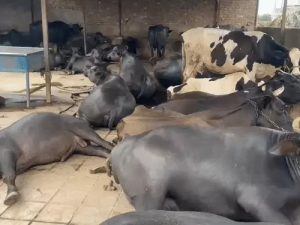
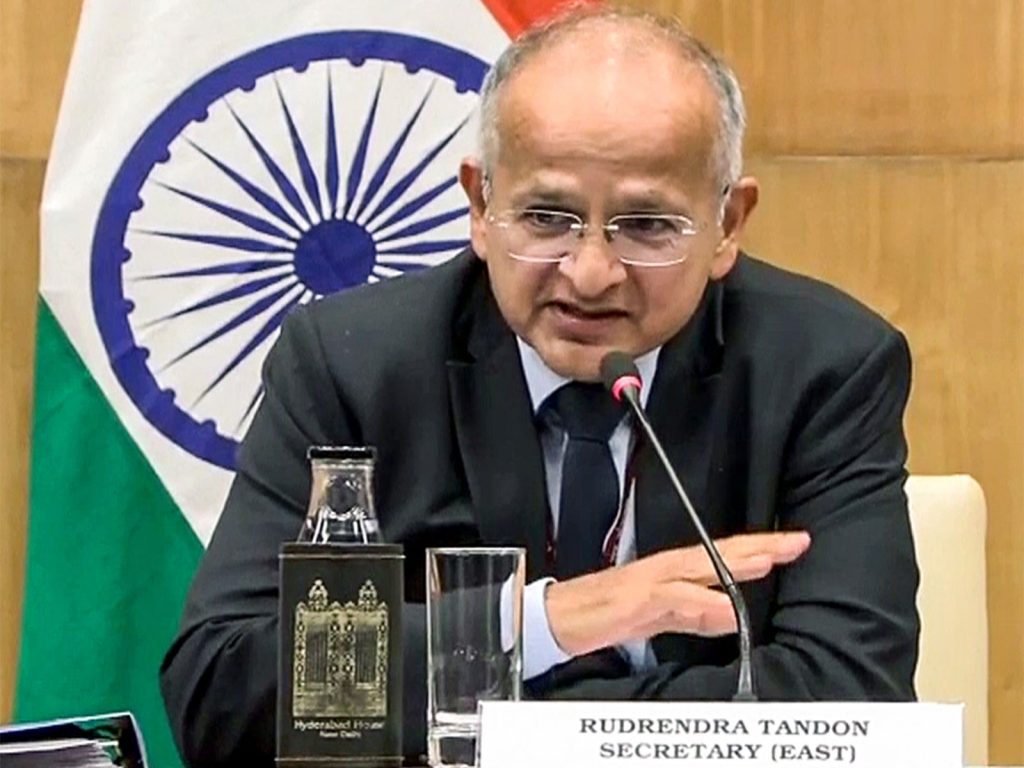
During an official media briefing, the Ministry of External Affairs (MEA) Secretary (East), Rudrendra Tandon, emphasized that the domestic dairy segment remains an exceptionally sensitive sector due to the unique socioeconomic architecture of India’s rural economy. Rather than relying on massive, industrialized commercial operations, India’s dairy infrastructure is built entirely upon a decentralized, cooperative-based model. This cooperative framework serves as a vital financial lifeline, generating critical day-to-day liquidity for small, marginal, and even landless agricultural laborers who depend on daily milk pools for survival.
To modernize this delicate ecosystem without disrupting its social fabric, India is looking toward New Zealand’s globally recognized position as an agrotech giant. Under the newly established Agricultural Productivity Arrangement, the two countries will explicitly collaborate on transferring sophisticated technical solutions across the entire spectrum of agricultural activities. This focused technical exchange is projected to directly benefit the long-term development, quality standards, and processing efficiency of the Indian dairy industry.
The absorption of foreign agricultural innovation aligns perfectly with the Government of India’s active policy blueprints to commercialize rural production and aggressively raise baseline farm incomes. Because modifying traditional smallholder farming systems requires a disciplined approach, the deployment of targeted agrotech solutions is viewed as an indispensable tool for upgrading national yield metrics. Consequently, the integration of these advanced systems forms a core pillar of the state’s contemporary agricultural strategy.
This tech-driven economic partnership was formally solidified during an official state visit by Indian Prime Minister Narendra Modi, who met with New Zealand Prime Minister Christopher Luxon to address critical trade bottlenecks. Both leaders recognized the pivotal role of the FTA in dismantling long-standing trade barriers, fostering cross-border innovation, and promoting robust New Zealand capital investments into the Indian marketplace. Ultimately, this strategic cooperation is designed to support India’s overarching “Viksit Bharat” roadmap, which aims to transition the nation into a fully developed economy by the year 2047.
Source: India Gazette
You can now read the most important #news on #eDairyNews #Whatsapp channels!!!
eDairy News ÍNDIA: https://whatsapp.com/channel/0029VaPidCcGpLHImBQk6x1F