
Strategic policy reforms, tech integrations, and massive investment plans place Uttar Pradesh at the center of White Revolution 2.0.
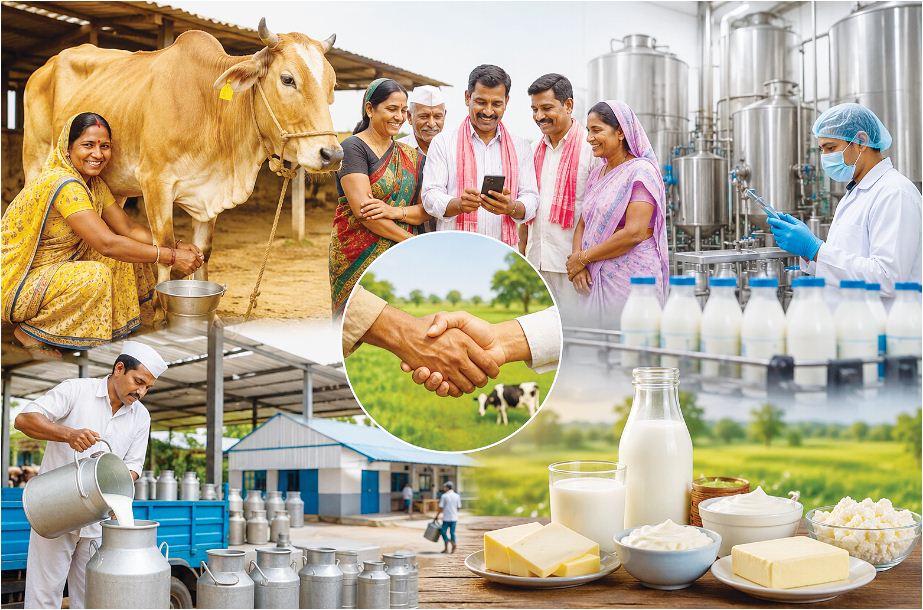
India’s largest milkshed, Uttar Pradesh, is orchestrating a profound structural overhaul of its rural economy, shifting from fragmented local networks to an integrated, tech-driven powerhouse. Contributing roughly 16 percent of India’s total milk output, the state has witnessed an exponential leap in production volumes, scaling from 277 lakh tonnes in fiscal year 2016–17 to an estimated 388 lakh tonnes in 2024–25. This rapid expansion is backed by massive state-directed interventions engineered to elevate processing thresholds, enhance animal health infrastructures, and turn dairy farming into a continuous daily cash flow mechanism for millions of smallholders.
A central pillar of this modern White Revolution is the implementation of the Uttar Pradesh Dairy Development and Milk Products Promotion Policy, 2022. Designed to transform the territory into a leading global dairy hub, this framework is aggressively targeting fresh infrastructure investments of up to ₹5,000 crore. The statutory framework offers an attractive matrix of fiscal incentives, including capital and interest subsidies for manufacturing units, cold chain optimization logistics, and specific funding for quality compliance certifications like ISO and HACCP to encourage high-margin value-added production of cheese, butter, and ghee.
Institutional networks like the Pradeshik Cooperative Dairy Federation (PCDF) and its Parag Milk division have undergone substantial modernization to optimize procurement transparently. Traditional middlemen are systematically being replaced by automated village cooperative societies equipped with electronic milk analyzers that evaluate fat and solids metrics in real-time. This structural transition to digital procurement pipelines ensures absolute quality-based pricing precision, with payments routed immediately to producers via Direct Benefit Transfer (DBT) systems, minimizing processing losses and financial friction.
Concurrently, the state has prioritized livestock yields and supply chain resilience over mere animal counts by deploying advanced scientific breed improvement programs. Working alongside foundational central initiatives like the Rashtriya Gokul Mission and the National Programme for Dairy Development, the administration has expanded artificial insemination, high genetic merit semen distribution, and embryo transfer technologies. This is supported by an extensive animal healthcare campaign utilizing mobile veterinary units and mass vaccination drives against Foot and Mouth Disease to directly counter core operational challenges such as indigenous cattle productivity limits, fodder shortages, and climate stress.
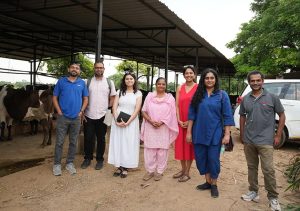
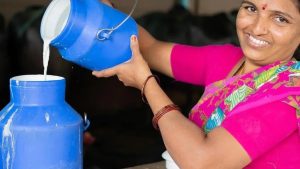
Crucially, women have been positioned at the absolute center of this agricultural transformation through NDDB-backed, women-led milk producer companies spanning major regions like Bundelkhand, Purvanchal, Awadh, Gorakhpur, and the Terai. Backed by the Rs 1,000-crore Nand Baba Dugdh Mission, these collective models aggregate volumes from thousands of small-scale farmers, creating a generation of financially independent female entrepreneurs known as “Lakhpati Didis.” Moving forward, the state’s roadmap aligns seamlessly with the national ‘White Revolution 2.0’ framework, establishing a highly integrated, export-capable dairy value chain that bolsters rural nutrition and long-term economic security.
Source: The Times of India
You can now read the most important #news on #eDairyNews #Whatsapp channels!!!
eDairy News ÍNDIA: https://whatsapp.com/channel/0029VaPidCcGpLHImBQk6x1F