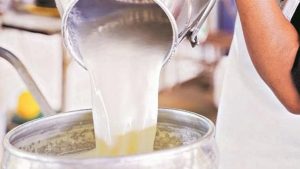



The core technology behind the new packaging utilizes an advanced corporate formulation that allows the plastic pouch to naturally break down over a specified timeframe. Unlike traditional polyethylene films that can persist in regional landfills and oceans for centuries, these self-degradable substrates disintegrate without leaving behind harmful microplastics or toxic chemical residues. For international dairy analysts, this successful industrial deployment demonstrates that liquid dairy shelf-life and structural pouch integrity do not need to be sacrificed to achieve strict environmental compliance.
From a dairy economics and data journalism perspective, the primary question for manufacturing divisions and consumers alike revolves around the net impact on retail pricing. Historically, introducing cutting-edge sustainable materials across processing lines carries a high cost premium that processors pass down to the end consumer. However, the brand has structured its supply chain to absorb the initial R&D overheads, ensuring that this innovative transition rolls out with minimal friction on everyday household budgets.
This commercial rollout aligns with intensifying regulatory and consumer pressures sweeping across global agribusiness markets to minimize post-consumer processing waste. Large-scale cooperative and private sector dairies are continually being challenged to take corporate responsibility for their downstream packaging footprints. By proving the economic viability of self-degradable liquid packaging grids, this launch establishes a highly replicable template that alternative regional food and beverage manufacturers can adapt to hit zero-waste milestones.