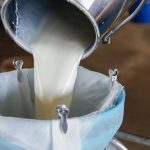


Analyzing the Input Cost Crisis Driving Milk Supply Inflation in Goa’s Dairy Sector.
The international dairy sector is closely monitoring regional price volatility, and the recent spike in Goa, India, provides a stark case study of inflationary pressure. The price of Full Cream Milk (FCM) has reached an unprecedented Rs 70 per liter at the Goa Dairy, reflecting the intense pressure on operational budgets globally. This significant adjustment impacts local consumption patterns and signals deeper structural challenges in managing input costs within highly localized milk supply chains across the global agribusiness community.
The primary drivers behind this dramatic price adjustment are classic challenges in dairy economics: soaring input costs. The cooperative explicitly cited a sharp increase in the pricing of crucial materials, specifically cattle feed and fodder, which are major components dictating farm profitability. Compounding this challenge are rising secondary expenses, including higher transport logistics, packaging materials, and general operational overheads, creating an unavoidable squeeze on the entire supply chain.
From the perspective of the dairy manufacturers and cooperatives, implementing a price hike is a painful necessity required to maintain financial solvency. The cooperative is compelled to safeguard its processing margins and ensure the ongoing viability of its constituent dairy farmers. Analysts view such consumer price increases as a direct consequence of a failure to absorb relentless global inflationary pressures, highlighting the delicate balance required to protect producer returns while managing consumer affordability in a high-demand market.
The immediate impact of the Rs 70/L FCM price is felt acutely by local consumers, potentially leading to demand elasticity and shifts in purchasing habits toward alternatives. However, for dairy economics professionals, this localized event underscores a critical global vulnerability: how quickly high commodity prices (like feed grains and energy) can translate into direct consumer-facing inflation, even in geographically isolated markets. This ripple effect demands strategic planning from all milk supply stakeholders to stabilize pricing mechanisms and prevent demand destruction.
This development in India serves as a powerful reminder for the entire international dairy sector that relentless global inflation in feed, energy, and logistics is uniformly compressing margins everywhere. The necessity for the cooperative to pass these increased costs onto the market is essential for preserving the long-term sustainability of dairy farmers and processing infrastructure. The episode emphasizes the urgent need for innovative risk management and enhanced efficiency to combat the erosion of farm profitability driven by external economic forces.
Source: Learn why the price of full cream milk has dramatically risen in this report from The Times of India.
You can now read the most important #news on #eDairyNews #Whatsapp channels!!!
🇮🇳 eDairy News ÍNDIA: https://whatsapp.com/channel/0029VaPidCcGpLHImBQk6x1F