
Driven by a shrinking youth population and new health trends, the gap between traditional milk and yogurt sales has narrowed to a record 1.8%.
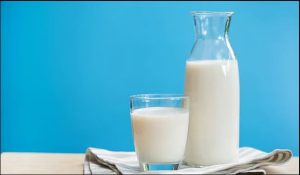
In the competitive South Korean retail landscape, traditional dairy hierarchies are being upended as white milk loses its long-standing dominance. According to the latest sales data from Emart, the nation’s largest discount chain, milk has tumbled to ninth place in cumulative sales for the January–November period, a significant drop from its consistent fifth-place ranking held between 2019 and 2022. Simultaneously, yogurt has entered the top 10 list for the first time since tracking began in 2019, signaling a monumental shift in beverage priorities within the Fast-Moving Consumer Goods (FMCG) sector.
The statistical gap between these two categories has narrowed to a near-parity point that was unthinkable just a few years ago. In 2022, milk commanded a 55.7% share of the combined milk-and-yogurt market, but that lead has evaporated to just 50.9% this year, with yogurt surging to 49.1%. Remarkably, the industry recorded several months in 2025—specifically March, April, and June—where yogurt sales successfully overtook milk for the first time in the retailer’s history.
This market disruption is primarily fueled by a severe demographic contraction among South Korea’s core dairy consumers. Government figures reveal that the teenage population, traditionally the bedrock of fluid milk demand, has plummeted from 5.7 million (11.2% of the population) in 2015 to approximately 4.5 million (8.8%) today. As the youth base shrinks due to a prolonged low birth rate, the structural demand for standard milk is losing its primary engine of growth.
While milk faces a declining user base, yogurt is capitalizing on a sophisticated shift in perception among consumers in their 20s and 30s. No longer viewed as a simple children’s snack, fermented dairy products are being repositioned as functional meal replacements, high-protein supplements, and essential gut-health solutions. This trend toward “functional wellness” allows yogurt to capture a broader lifestyle segment that values targeted health benefits over traditional dietary staples.
Retailers are proactively recalibrating their shelf strategies to align with these evolving consumer habits. Emart officials have indicated that dairy sections are being restructured to reflect the rapid change in sales composition, focusing on optimized product assortments and health-oriented in-store displays. For international dairy analysts and manufacturers, the Korean case study provides a clear roadmap of how demographic aging and health-centric innovation can fundamentally redefine a nation’s dairy consumption profile.
Source: Korea Bizwire — https://www.koreabizwire.com/yogurt-rises-milk-slips-as-demographic-shifts-reshape-koreas-dairy-market/341001
You can now read the most important #news on #eDairyNews #Whatsapp channels!!!
🇮🇳 eDairy News ÍNDIA: https://whatsapp.com/channel/0029VaPidCcGpLHImBQk6x1F