

Jakarta accelerates livestock imports from Australia to fuel the “Free Nutritious Meal” program and slash heavy reliance on foreign milk.
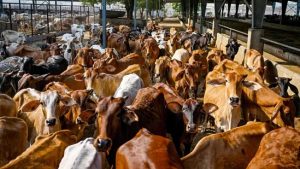
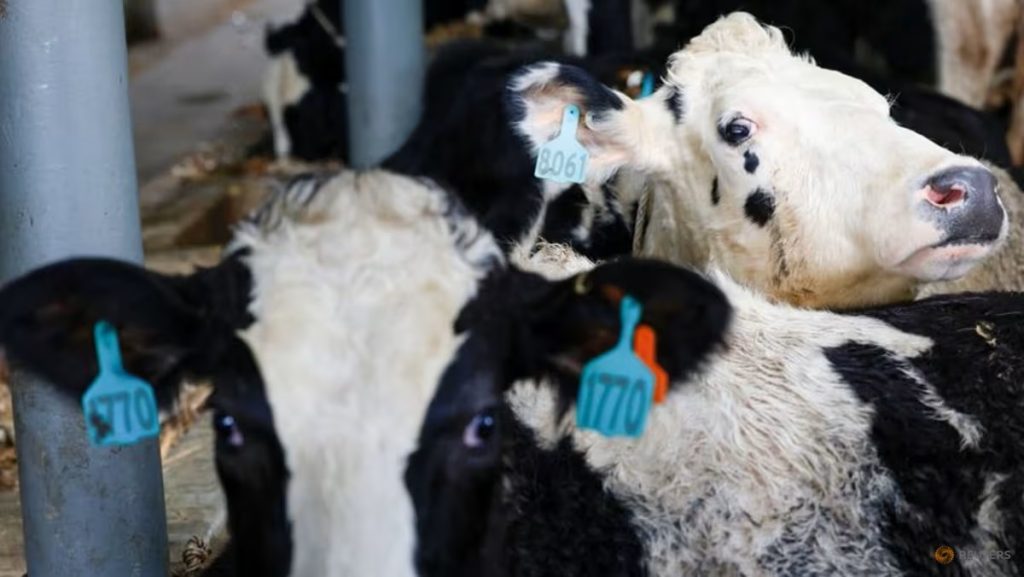
Indonesia is aggressively scaling its dairy capabilities to support President Prabowo Subianto’s flagship “Free Nutritious Meal” program. Recently, a shipment of 2,000 high-quality Holstein dairy cows arrived at Tanjung Perak Port in Surabaya from Australia, marking a significant step in the nation’s livestock expansion. This arrival represents a critical opening move in a national strategy designed to provide free milk and meals to millions of students and pregnant women across the archipelago to combat malnutrition.
The Ministry of Agriculture has set an ambitious target to import 1 million dairy cows over the next five years to bridge the country’s massive production deficit. Currently, Indonesia’s domestic industry is only able to meet approximately 20% of the national milk demand, leaving the country dependent on imports for the remaining 80%. By drastically increasing the cattle population, the government aims to fundamentally shift the market structure toward self-sufficiency.
The strategy focuses on diversifying livestock sources and improving genetics, looking primarily at cattle from Australia and Brazil. These imported animals are intended to serve as the foundation for a long-term breeding program rather than just providing an immediate spike in milk volume. The government plans to distribute these cows to various regions, including East and Central Java, to foster a more decentralized and resilient dairy infrastructure.
To ensure the sustainability of this influx, the Indonesian government is coordinating with private sector partners and state-owned enterprises to manage specialized breeding centers. Agriculture Minister Andi Amran Sulaiman has emphasized that increasing the livestock population is the only viable path to reducing the nation’s “import trap.” This massive undertaking is expected to trigger secondary investments in feed production, animal health services, and cold-chain logistics.
Beyond food security, this import plan functions as a socio-economic initiative aimed at empowering local dairy cooperatives and smallholder farmers. By integrating these high-productivity breeds into local systems, the government hopes to stimulate rural economies and improve the livelihoods of thousands of livestock workers. The long-term success of Indonesia’s dairy revolution now hinges on the country’s ability to successfully manage and acclimatize these 1 million head of cattle.
Source: The Cattle Site
You can now read the most important #news on #eDairyNews #Whatsapp channels!!!
🇮🇳 eDairy News ÍNDIA: https://whatsapp.com/channel/0029VaPidCcGpLHImBQk6x1F