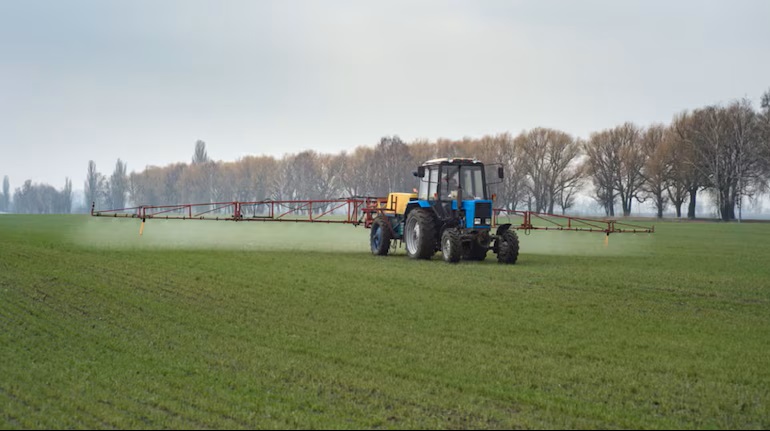



New Delhi signals that sensitive agricultural sectors remain off the table in upcoming trade negotiations with Washington to protect millions of rural livelihoods.
India is preparing for high-stakes trade negotiations with the United States but maintains a cautious and defensive approach regarding its agricultural sector. According to government sources, New Delhi is unlikely to grant market access for sensitive commodities, specifically including dairy, corn, and soybeans. This protectionist stance is a cornerstone of a broader strategy to shield domestic producers from the potential influx of highly subsidized American products that could destabilize local market prices.
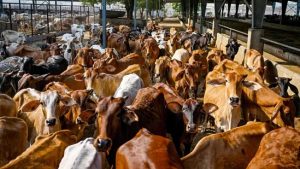
The dairy sector is considered a non-negotiable “red line” for Indian policymakers as they engage with the Office of the United States Trade Representative (USTR). As the world’s largest milk producer, India’s industry is built on a unique model of millions of small-scale farmers whose economic survival depends on the current domestic pricing structure. Government officials indicate that any potential trade framework must respect these socio-economic realities, prioritizing the stability of rural communities over the optics of a comprehensive Free Trade Agreement (FTA).
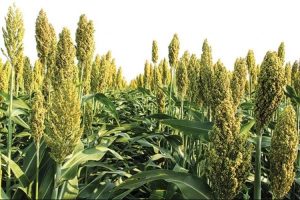
Beyond purely economic considerations, India cites significant biosafety and health concerns as barriers to US agricultural imports. The Indian government remains particularly wary of genetically modified (GM) crops, which dominate US production of corn and soybeans. These concerns extend to the dairy supply chain, where differing national standards regarding animal feed and treatment protocols create a regulatory friction that New Delhi is currently unwilling to resolve through trade concessions.
While Washington has expressed deep interest in tapping into India’s vast and growing consumer market, Indian negotiators are focusing on a more balanced and “limited” partnership. Discussions led by the Department of Commerce suggest that India prefers to decouple sensitive agricultural goods from broader agreements involving technology and industrial cooperation. This tactical positioning ensures that the most vulnerable segments of the Indian primary sector are not used as bargaining chips for gains in other economic areas.
As both nations seek to strengthen their economic ties throughout 2026, the agricultural deadlock remains the primary hurdle for a full-scale trade deal. The Indian government’s steadfast refusal to budge on dairy and sensitive crops suggests that any upcoming agreement will be narrow in scope. For the international dairy community and US exporters, this serves as a definitive signal that India’s domestic market remains one of the most protected and inaccessible environments for foreign milk products.
Source: Moneycontrol
You can now read the most important #news on #eDairyNews #Whatsapp channels!!!
🇮🇳 eDairy News ÍNDIA: https://whatsapp.com/channel/0029VaPidCcGpLHImBQk6x1F