



Behind the world’s largest milk production lies a fragile ecosystem of rising costs, low yields, and systemic climate threats.
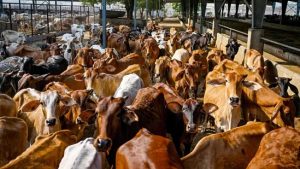
India has firmly established itself as the global leader in milk production, contributing a staggering 25% to the world’s total output. This growth, largely driven by the cooperative model and small-scale farmers, has transformed the nation into a dairy powerhouse. However, this success story masks a “silent crisis” that is beginning to erode the foundations of the industry. The sheer volume of production is no longer enough to guarantee the economic survival of the millions of rural households that depend on a few liters of milk a day for their primary income.
The core of this crisis is the widening gap between stagnant milk prices and skyrocketing production costs. Dairy farmers are facing unprecedented inflation in cattle feed and fodder prices, which account for nearly 70% of their operational expenses. Unlike other agricultural commodities, milk prices have not kept pace with these rising inputs, leaving smallholders with razor-thin margins. This economic squeeze is forcing many generational farmers to reconsider their future in the industry, creating a potential vacuum in the domestic supply chain.
Productivity remains a critical bottleneck for the Indian dairy sector compared to international standards. While the total volume is high, the average milk yield per animal is significantly lower than that of advanced dairy nations. This inefficiency is compounded by the lack of access to high-quality genetic material, modern veterinary services, and efficient cooling infrastructure in remote areas. Without a technological leap in animal husbandry and breed improvement, the sector risks hitting a ceiling that could turn India from a surplus nation into a net importer.
Climate change is no longer a future threat but an immediate disruptor of dairy economics. Extreme heatwaves across the subcontinent are causing heat stress in cattle, leading to a direct and measurable drop in milk yields and fertility rates. Furthermore, shifting rainfall patterns have led to frequent fodder shortages and the spread of zoonotic diseases. These environmental pressures are disproportionately affecting small-scale producers who lack the capital to invest in climate-resilient farming technologies or modern sheds with cooling systems.
To navigate this crossroads, the industry requires a fundamental shift from quantity-driven growth to a value-added and technology-centric model. Analysts argue that government intervention must move beyond simple subsidies toward building robust infrastructure for processing and export. Empowering farmers with better data, direct market access through digital platforms, and improved credit facilities is essential. If India fails to address these structural and environmental challenges, the “White Revolution” legacy could be jeopardized by the very scale it sought to achieve.
Source: State Times – India’s dairy strength and its silent crisis
You can now read the most important #news on #eDairyNews #Whatsapp channels!!!
🇮🇳 eDairy News ÍNDIA: https://whatsapp.com/channel/0029VaPidCcGpLHImBQk6x1F