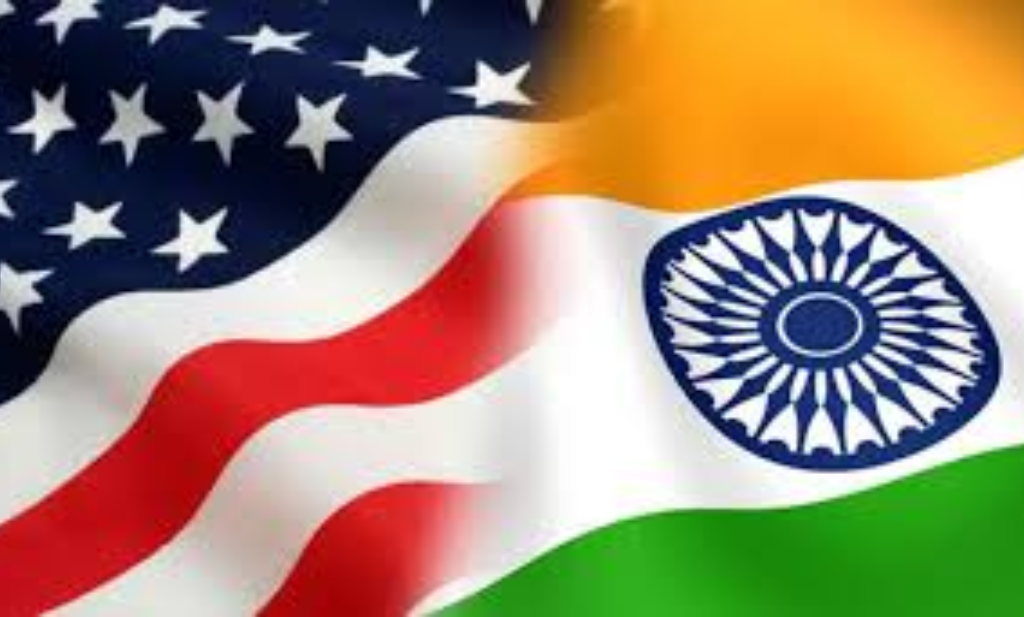




The India-US trade deal remains a work in progress as negotiations move into a new round on January 13, with agriculture—and dairy in particular—continuing to stand out as one of the most sensitive and politically complex areas in the talks.
According to U.S. Ambassador to India Sergio Gor, who recently assumed his post in New Delhi, both countries remain actively engaged in discussions aimed at forging a comprehensive bilateral trade agreement. Speaking this week, Gor emphasized that regular dialogue is ongoing and that both sides are committed to maintaining momentum despite persistent disagreements.
The ambassador described the partnership between India and the United States as strong and resilient, noting that even when differences emerge, they can be addressed through sustained engagement. He also pointed to the close personal ties between leadership in Washington and New Delhi, suggesting that such relationships provide an important foundation for navigating trade and economic challenges.
Progress amid persistent friction
While diplomatic messaging has been positive, officials on both sides acknowledge that the India-US trade deal has faced repeated delays. Negotiations have moved forward in phases, only to stall over unresolved issues related to tariffs, market access and regulatory barriers.
For the United States, India represents a strategically important economic partner and one of the world’s fastest-growing consumer markets. U.S. negotiators have consistently pushed for lower import duties and improved access for American agricultural products, including corn, soybeans, nuts, apples and dairy products.
From Washington’s perspective, reducing tariff barriers is closely linked to addressing domestic agricultural surpluses and supporting politically influential farming constituencies. Greater access to India’s large and growing food market is seen as a key objective of the trade talks.
India, however, has taken a cautious approach—particularly when it comes to agriculture and dairy. Policymakers in New Delhi have repeatedly stressed that these sectors underpin the livelihoods of millions of smallholders and rural households. Opening domestic markets to heavily subsidized U.S. farm goods, including dairy products, raises concerns about unfair competition and the potential destabilization of rural economies.
Dairy at the center of the debate
Within the broader agricultural discussion, dairy occupies a uniquely sensitive position in the India-US trade deal. India is the world’s largest milk producer, but its dairy sector is dominated by small and marginal farmers who operate within cooperative and informal systems rather than large-scale industrial farms.
Trade analysts note that lowering tariffs on imported dairy products could expose Indian producers to price volatility and competitive pressure from large U.S. exporters. This makes dairy politically difficult territory for Indian negotiators, who face strong domestic pressure to shield the sector from external shocks.
As a result, dairy market access has emerged as a key fault line in the talks, symbolizing the broader challenge of balancing trade liberalization with social and economic stability.
Competing priorities beyond agriculture
The trade discussions extend well beyond food and farming. India has sought reciprocal tariff reductions in sectors where its exporters hold competitive advantages, including textiles, leather goods, engineering products, gems and jewellery, and automotive components. New Delhi has also pushed for relief from high U.S. tariffs imposed on certain Indian exports, arguing that these measures undermine job-intensive industries.
At the same time, disagreements persist over regulatory and non-tariff barriers. Issues such as food safety standards, certification requirements for technology products, digital trade rules and intellectual property protections have proven difficult to reconcile.
U.S. negotiators have pressed for stronger intellectual property enforcement and fewer restrictions on data flows, while India has emphasized the need to protect domestic industries, ensure data privacy and preserve digital sovereignty. These technical but consequential issues continue to complicate efforts to bridge negotiating positions.
Preferential access and lingering tensions
Another area of interest for India is the potential reinstatement of preferential trade benefits under U.S. programs that provide duty-free access to certain developing countries. India previously benefited from such arrangements, and their restoration remains part of New Delhi’s broader trade agenda.
Past disputes—including additional U.S. tariffs linked to India’s energy procurement decisions—have also added layers of complexity to the talks, reinforcing sensitivities around reciprocity and fairness.
A cautious path forward
Despite these challenges, both governments continue to frame the India-US trade deal as an evolving process rather than a breakdown in relations. Indian trade officials have signaled that most major concerns have been extensively discussed and that progress is possible through continued engagement.
U.S. representatives, while acknowledging the political difficulty of some demands, have reiterated their interest in expanding trade and investment ties without forcing either side into untenable concessions.
For India’s dairy sector, the outcome of these talks carries significant implications. Any shift in tariff structures or market access rules could reshape competitive dynamics, influence farmgate prices and affect the long-term resilience of the cooperative-based production model.
As the January 13 round approaches, the negotiations highlight a familiar reality: advancing an India-US trade deal will require careful calibration, especially where agriculture and dairy intersect with livelihoods, politics and national development priorities.
Written for eDairyNews, with information from The New Indian Express.