


Decoding the National Program for Dairy Development (NPDD) and its Impact on Agribusiness and Dairy Economics.
The National Program for Dairy Development (NPDD) represents a major, centralized strategic intervention designed to structurally reinforce the domestic dairy sector. This key government scheme aims to systematically enhance the quality of milk, expand essential processing and chilling capabilities, and significantly strengthen the foundational structures of dairy cooperatives and producer institutions nationwide. The program underscores the recognition that infrastructure improvement is paramount for advancing the overall economic viability of the sector and ensuring long-term dairy supply chain stability across the entire country.
Central to the NPDD is a substantial financial outlay, reflecting a clear national commitment to rural economic transformation. These significant funds are specifically allocated to meet the program’s twin objectives: first, establishing and augmenting critical dairy processing infrastructure, and second, improving the milk quality assurance mechanisms across the entire organized system. This strategic investment approach directly addresses historical inefficiencies in the existing dairy value chain, ensuring that the milk handled by organized entities meets stringent quality parameters for both robust domestic consumption and growing export market potential.
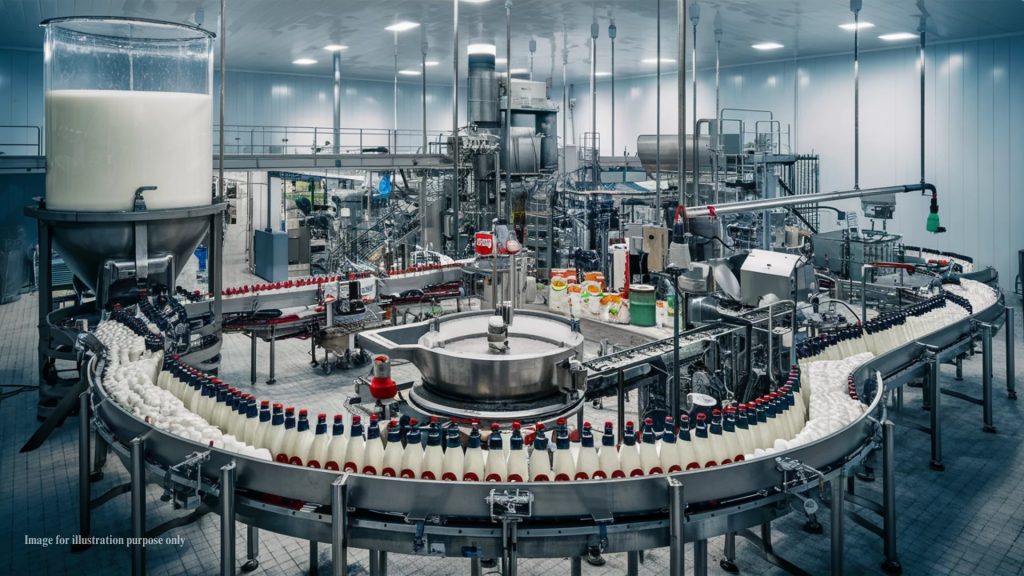
The implementation phase of the NPDD has already yielded crucial, quantifiable results regarding infrastructure development. The scheme has notably contributed to the creation of substantial new milk chilling and processing capacity across numerous states. This systematic expansion of the cold chain is vital for reducing post-harvest losses and maintaining milk quality from farm to processor. Furthermore, a core achievement has been the focused strengthening and revitalization of hundreds of Dairy Cooperative Societies (DCS), thereby formalizing millions of smallholder dairy farmers into organized procurement structures.
A fundamental tenet of the program involves comprehensive intervention for milk quality improvement, which directly benefits the producer base. The NPDD supports the installation of automated Milk Collection Units (AMCUs) and advanced testing equipment at the cooperative level. This technological upgrade ensures transparency and accuracy in milk quality assessment, which, in turn, facilitates fair and incentive-based pricing mechanisms for farmers. . By promoting better quality assurance throughout the agribusiness model, the scheme not only protects consumer health but also guarantees more stable and remunerative returns for small and marginal producers.
In summary, the successful execution of the National Program for Dairy Development signifies a major leap forward in formalizing and modernizing India’s standing in the global dairy landscape. This concentrated effort on strengthening infrastructure, enhancing quality, and bolstering cooperative frameworks provides a robust foundation for sustainable future growth. For international analysts, the NPDD represents a clear commitment to dairy sector self-sufficiency and highlights the country’s potential to influence global dairy supply chain dynamics through improved efficiency and organized large-scale production.
Source: Get the official government statement on this major dairy policy directly from PIB India.
You can now read the most important #news on #eDairyNews #Whatsapp channels!!!
🇮🇳 eDairy News ÍNDIA: https://whatsapp.com/channel/0029VaPidCcGpLHImBQk6x1F