



Analyzing HUL’s Strategic Move Against Amul and the Future of Indian Frozen Desserts Market Share.
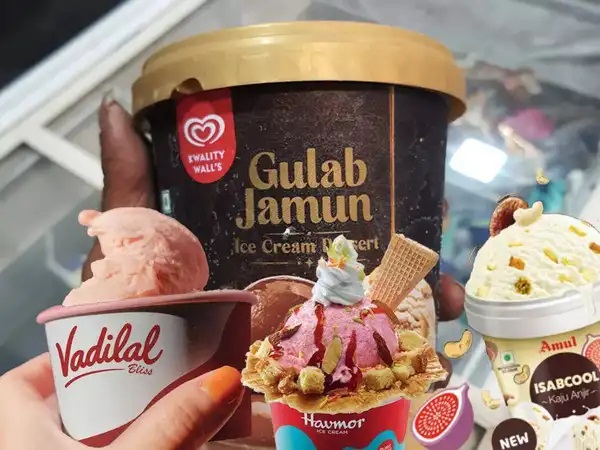
The Indian Frozen Desserts market is witnessing an intense battle for dominance, primarily focused on the competition between multinational giant Hindustan Unilever Limited (HUL), through its Kwality Walls brand, and the powerful domestic cooperative, Amul. This rivalry is a classic case study in Dairy Management, pitting the global branding and supply chain prowess of HUL against Amul’s deep penetration, co-operative strength, and massive cold-chain infrastructure built across India. For international analysts, this dynamic reveals the complexities and high stakes of penetrating India’s massive, yet price-sensitive, consumer base.
HUL’s strategy hinges heavily on product positioning and targeted market segments. By focusing on ‘frozen desserts’ (made with vegetable fat) instead of ‘ice cream’ (made with dairy fat), Kwality Walls can potentially manage costs and offer competitive price points, appealing to the mass market. However, Amul and other domestic Dairy Titans leverage consumer perception and preference for authentic dairy fat, often capitalizing on the trust associated with pure dairy products, which gives them a significant edge in the premium and traditional segments.
A crucial factor driving the competitive edge for local players like Amul is their inherent logistical strength, stemming from their vast network of milk collection and processing centers. This vertically integrated supply chain ensures cost efficiencies and consistent access to quality raw materials, which is vital for maintaining margins in the often-thin-margin Agribusiness sector. While HUL possesses strong marketing muscle, matching Amul’s sheer scale and deep-rooted cold chain across diverse Indian geography remains a formidable challenge.
The market segmentation is also a key battleground. While Amul successfully dominates the pure Ice Cream and dairy segments, HUL has focused on the lower-priced frozen dessert category and has attempted to introduce high-end innovations and imported flavors to appeal to urban, experimental consumers. The success of either strategy in the long run will depend on India’s shifting consumer preferences—whether they prioritize price and novelty (HUL’s strength) or trust and traditional dairy authenticity (Amul’s fortress).
Ultimately, the clash between these two giants dictates the pace of innovation and pricing across the entire category. This highly competitive environment pushes both players to continuously upgrade their cold-chain systems, expand distribution, and fine-tune their pricing strategies. Professionals in Dairy Economics should view this rivalry as a bellwether for the broader Indian FMCG sector, offering insights into effective scaling, localization, and brand warfare strategies required for success in the world’s fastest-growing dairy market.
Source: Gain deeper insights into the competitive strategies shaping the Indian dairy market at The Economic Times Prime.
You can now read the most important #news on #eDairyNews #Whatsapp channels!!!
🇮🇳 eDairy News ÍNDIA: https://whatsapp.com/channel/0029VaPidCcGpLHImBQk6x1F