

A ₹60 crore investment in bio-CNG plants could turn cow dung into clean fuel, new farm income and rural jobs.
Gujarat has allocated ₹60 crore to expand bio-CNG production through dairy cooperatives, marking a new step in linking the dairy sector with renewable energy. The state plans to establish around 10 bio-CNG plants in phases, using organic waste such as cow dung, crop residues and food waste to produce compressed biogas for transport and industrial use.
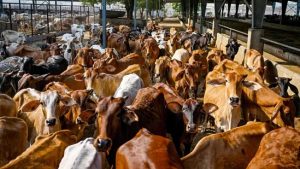
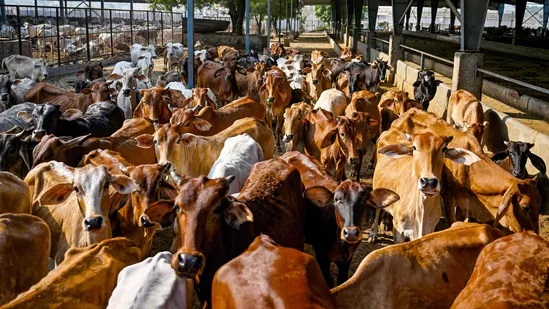
The initiative is built around the successful model developed by Banas Dairy in Banaskantha district. The plant has been operating for six years and processes 40 metric tonnes of cow dung per day, converting waste into both clean fuel and organic fertilizer. The project has become a benchmark for rural energy development and is now being replicated in nearly 15 Indian states with support from the Union ministries of Jal Shakti and Cooperation.
Following the success of the original facility, Gujarat is already developing five additional large-scale plants in Banaskantha. Two are operational and a third is nearing completion. Each facility is designed to process roughly 100 metric tonnes of dung per day and requires an investment of ₹50-55 crore. The plants are expected to demonstrate how the dairy industry can create value not only through milk, but also through by-products generated on farms.
The economic impact for dairy producers could be substantial. Farmers from 20 to 25 nearby villages supply dung to the plants and receive ₹1 per kilogram, generating an additional source of income for around 400 to 450 livestock-producing families. Local transport activities linked to dung collection are also creating new employment opportunities in rural areas.
Each bio-CNG facility produces around 1,800 kilograms of compressed biogas daily, sold at roughly ₹75 per kilogram. In addition, the plants generate 25 metric tonnes of solid organic fertilizer and 75 metric tonnes of liquid fertilizer every day. Combined, these products create more than ₹3 lakh in daily revenue, or close to ₹12 crore annually, while reducing greenhouse gas emissions by an estimated 6,750 tonnes of CO2 equivalent per year.
Source: Hindustan Times original report
You can now read the most important #news on #eDairyNews #Whatsapp channels!!!
🇮🇳 eDairy News ÍNDIA: https://whatsapp.com/channel/0029VaPidCcGpLHImBQk6x1F