



Food safety authorities move to define cereulide limits amid global infant nutrition crisis.
Europe’s food safety system is moving toward a clearer regulatory framework for infant formula, as the European Food Safety Authority (EFSA) prepares to define an acceptable exposure level for cereulide, a toxin at the center of one of the largest baby formula recalls ever recorded. The agency will publish guidance establishing an acute reference dose, effectively creating a scientific threshold that would trigger recalls if exceeded.
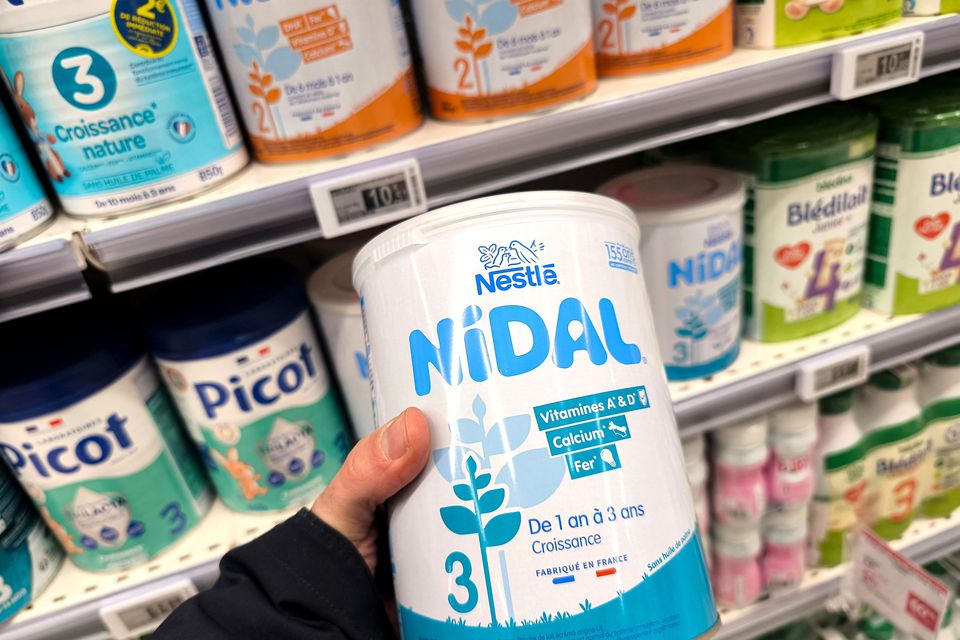
The decision follows the recall by Nestlé, the world’s largest infant formula producer, of hundreds of products across more than 60 countries due to potential cereulide contamination. French authorities are investigating whether consumption of Nestlé’s Guigoz formula is linked to the deaths of two infants, intensifying scrutiny across the global dairy and nutrition supply chain.
Other major players, including Danone and Groupe Lactalis, have since withdrawn selected products, highlighting the systemic nature of the issue. Nestlé traced the contamination to arachidonic acid (ARA) oil sourced from a single supplier, later identified as Cabio Biotech Wuhan Co. The episode comes at a sensitive moment for Nestlé’s leadership, as the company pursues cost reductions and performance improvements while facing reputational risk.
Despite strict regulation, the infant formula sector continues to face challenges as manufacturers add more functional ingredients to replicate breast milk more closely. Following a 2020 EU mandate to include DHA in formula, some pediatric recommendations accelerated the use of ARA oil, significantly expanding ingredient complexity and extending global supply chains — increasing potential food safety vulnerabilities.
Industry representatives have welcomed EFSA’s move toward a harmonized, science-based standard. According to Specialised Nutrition Europe, defining a clear cereulide threshold could improve regulatory certainty, even if it leads to further recalls. EFSA’s opinion is due next week, but formal enforcement will depend on adoption by the European Commission and member states, aligning with long-standing industry calls for consistent testing and policy across markets.
Source: Independent.ie – reporting on European food safety and infant nutrition regulation
https://www.independent.ie/farming/agri-business/europe-to-decide-how-much-toxin-in-baby-formula-is-too-much/a2135794916.html
You can now read the most important #news on #eDairyNews #Whatsapp channels!!!
🇮🇳 eDairy News ÍNDIA: https://whatsapp.com/channel/0029VaPidCcGpLHImBQk6x1F