


Analyzing the Seasonal Consumption Shock and Its Direct Impact on Local Dairy Supply Chain Stability and Agribusiness.
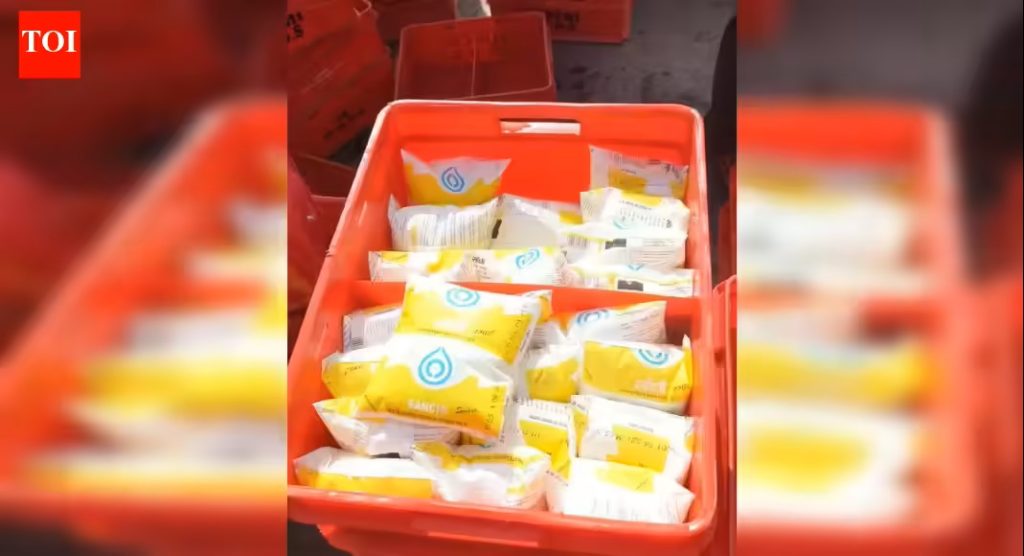
A significant, localized volatility event has tested the dairy supply chain in Indore, India, where daily milk demand recently surged to a high of approximately 1.2 lakh liters (120,000 L). This sharp seasonal spike is a critical case study for dairy economics analysts, demonstrating how large, concentrated consumption events can rapidly stress regional infrastructure. The demand shock signals a rapid increase in institutional and ceremonial consumption that dairy manufacturers and cooperatives must efficiently anticipate and manage to prevent disruptions and preserve market share.
The primary drivers for this unprecedented upward trajectory in consumption are the confluence of the intense wedding season and heightened activity in institutional buying. Hotels, Restaurants, and Catering (HORECA) businesses, alongside major ceremonial events, significantly increase their procurement volumes, demanding bulk quantities of milk and derived products for banqueting. This concentrated purchase activity represents a distinct demand segment, separate from routine household consumption, and requires specialized inventory management and higher logistical readiness from local agribusiness operators.
For the local dairy sector, this immediate and steep rise in procurement volume places acute pressure on chilling, processing, and distribution networks. Manufacturers face the challenge of rapidly mobilizing additional supply, often drawing down buffer stocks or accelerating procurement from peripheral collection centers. This demand spike necessitates meticulous operational forecasting; failure to meet this elevated 1.2 lakh liter requirement risks driving prices up, creating opportunities for the unorganized market, and potentially damaging the reputation of large, organized dairy cooperatives.
The sudden inelastic nature of this seasonal demand also introduces complexity into dairy economics and pricing structures. While organized processors strive to maintain stable pricing and quality control—a priority for their professional clientele—the overall market volatility creates upward pressure on raw milk prices, affecting procurement costs. Producers and analysts must monitor whether the urgency for volume compromises the stringent milk quality standards previously established, especially as smaller, unorganized vendors attempt to capitalize on the momentary supply-demand imbalance.
Ultimately, the Indore demand surge serves as a crucial, observable lesson in localized agribusiness risk management. For global dairy supply chain leaders, it emphasizes the strategic importance of building highly flexible processing capacity and establishing robust, seasonal contingency plans. Mastering the efficient allocation of milk during peak institutional demand periods is not just a logistical necessity but a fundamental requirement for maintaining market leadership and financial stability in rapidly growing urban centers worldwide.
Source: Review the reporting on local market dynamics published by Times of India.
You can now read the most important #news on #eDairyNews #Whatsapp channels!!!
🇮🇳 eDairy News ÍNDIA: https://whatsapp.com/channel/0029VaPidCcGpLHImBQk6x1F