


Beijing imposes anti-subsidy tariffs on EU milk, cheese and cream after a long probe — a major twist in global dairy trade.
China’s Ministry of Commerce has imposed anti-subsidy tariffs on dairy imports from the European Union, marking a significant escalation in dairy trade policy between two of the world’s biggest markets. The move comes at the end of a lengthy investigation launched in August 2024 into whether EU subsidies for dairy products unfairly harmed China’s domestic industry. Beijing concluded that certain European exports benefited from state support, resulting in preliminary duties.
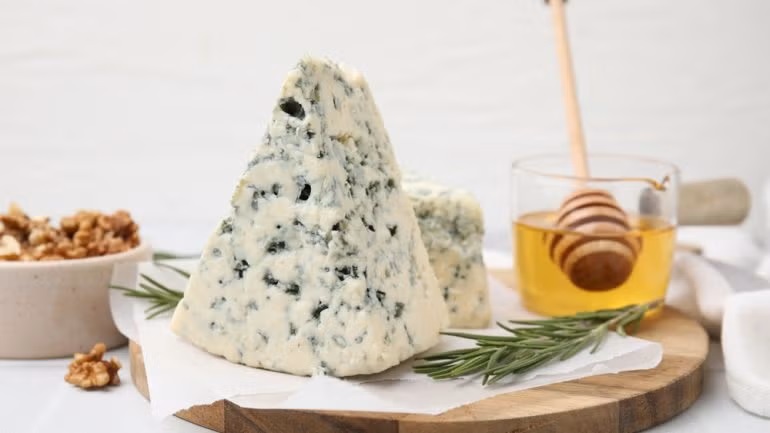
Under the provisional measures, tariff rates ranged from about 21.9 % up to 42.7 % on targeted products, including milk, cream, and fresh and processed cheeses — staples of EU dairy exports. Most exporters ended up facing levy rates around the 30 % mark, while higher penalties applied to companies deemed non-cooperative during the probe. These duties took effect in late December 2025 and illustrate how dairy trade has become entangled in broader economic tensions.
Chinese authorities justified the levies on the basis of “material injury” inflicted on local dairy producers, asserting that subsidised EU products have undermined competitiveness in China’s market. The investigation was carried out under Chinese law and World Trade Organization rules, following a complaint from domestic dairy associations. These anti-subsidy duties can act as both a trade remedy and a form of protection for local producers facing oversupply and shifting consumer demand.
However, in a later phase of the dispute, China revised its duty structure downward, finalising tariffs of up to 11.7 % for most EU dairy exporters, with many facing around 9.5 %. This was a notable reduction from the earlier provisional peaks, potentially lowering pressure on European firms including Arla, Lactalis and others subject to the measures. The final tariffs are set to apply for five years, affecting EU cheese, unsweetened milk, cream and related imports.
For the international dairy sector, these developments underscore how trade policy, subsidy disputes, and market access barriers can reshape global supply chains. EU exporters must now navigate a market where tariffs raise costs and competition from countries with free-trade agreements — such as New Zealand — remains strong, even as Chinese producers seek protective measures at home.
Source: China Economic Review – https://chinaeconomicreview.com/china-imposes-anti-subsidy-tariffs-on-eu-dairy/
You can now read the most important #news on #eDairyNews #Whatsapp channels!!!
🇮🇳 eDairy News ÍNDIA: https://whatsapp.com/channel/0029VaPidCcGpLHImBQk6x1F