

Beijing imposes anti-dumping duties on European cheese, milk, and cream after year-long investigation amid escalating trade tensions.
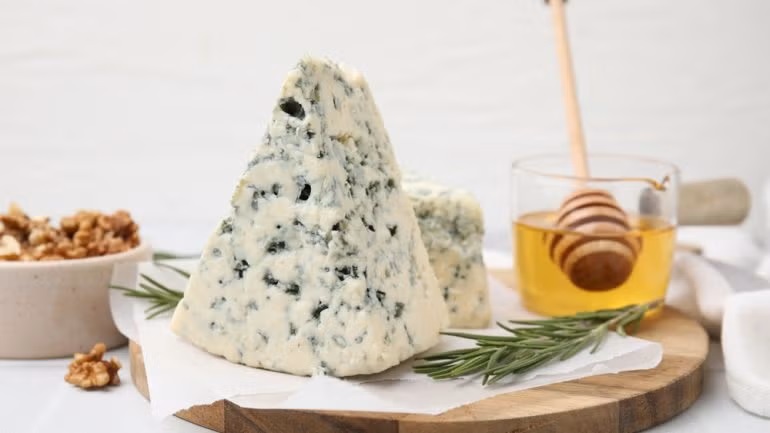
China has imposed preliminary anti-dumping tariffs ranging from 21.9 to 42.7 percent on European Union dairy imports, effective December 23, following a 16-month investigation launched in August 2024. The Ministry of Commerce announced that investigating authorities preliminarily determined imported dairy products from the EU were subsidized, causing substantial damage to China’s domestic dairy industry with a proven causal relationship between subsidies and the harm inflicted. The affected products include fresh and processed cheeses, milk, and cream, with provisional anti-subsidy duty deposits now required at customs. This action follows a pattern of Chinese trade retaliation against European agricultural exports, including recent five-year duties on EU pork ranging from 4.9 to 19.8 percent imposed last week.
Major European dairy processors face divergent tariff burdens under the new regime, with Netherlands-based FrieslandCampina hit hardest at 42.7 percent while Denmark’s Arla Foods—owner of the Lurpak butter brand—will pay rates between 28.6 and 29.7 percent according to Reuters reporting. China extended its anti-dumping investigation in August 2025 through February 2026, providing a window for affected parties to submit written comments within 10 days of the announcement. FrieslandCampina responded that it has taken note of the preliminary decision and remains committed to constructive interaction with China’s Ministry of Commerce, while Arla has not yet issued public comment on the tariff structure.
The European Commission expressed concern over the tariff imposition, characterizing the anti-dumping decision as based on questionable allegations and insufficient evidence. Brussels assessed the measures as unjustified and unwarranted ahead of China’s definitive decision on the duties scheduled for February 21, 2026. The Commission’s pushback reflects broader tensions in EU-China trade relations, with these dairy tariffs widely viewed as retaliatory measures following the European Union’s decision to impose duties on imported Chinese battery electric vehicles earlier in the year.
China’s escalating trade actions against EU agricultural exports reveal a coordinated strategy spanning multiple product categories, with anti-dumping investigations initiated for pork in June 2024, brandy in January 2024, and dairy in August 2024. The pork investigation concluded last week with five-year import duties imposed at lower rates than preliminary tariffs announced three months prior, suggesting Beijing may moderate final dairy tariff levels during the current consultation period. These tit-for-tat measures demonstrate how agricultural commodities increasingly serve as leverage points in broader geopolitical and trade disputes between major economic powers.
The tariff structure creates immediate competitive disadvantages for European dairy exporters in the world’s largest dairy import market, potentially reshaping global trade flows and pricing dynamics. China’s determination of subsidy-induced damage to domestic producers establishes legal justification under WTO rules for protective measures, though the European Commission’s challenge based on evidentiary grounds sets up potential dispute resolution proceedings. For international dairy industry stakeholders, the tariffs signal heightened regulatory and political risk in the China market while potentially creating opportunities for non-EU suppliers including New Zealand, Australia, and United States producers to capture market share displaced by European products facing substantial cost disadvantages at Chinese borders.
Source: Just Food – Breaking coverage of China’s EU dairy tariff announcement
You can now read the most important #news on #eDairyNews #Whatsapp channels!!!
🇮🇳 eDairy News ÍNDIA: https://whatsapp.com/channel/0029VaPidCcGpLHImBQk6x1F