



Biotechnology is no longer a laboratory concept but a concrete vector of industrial transformation.
In health, its advances promise personalised treatments for complex diseases; in food, and particularly in infant nutrition, it is redefining how products are designed, produced and validated. For the dairy industry, this crossover between genetics, nutrition and technology is not peripheral: it is strategic.
From personalised medicine to precision nutrition
The logic is the same: understand the individual’s biological, genetic, metabolic and microbiological profile in order to intervene on the cause and not just the symptom.
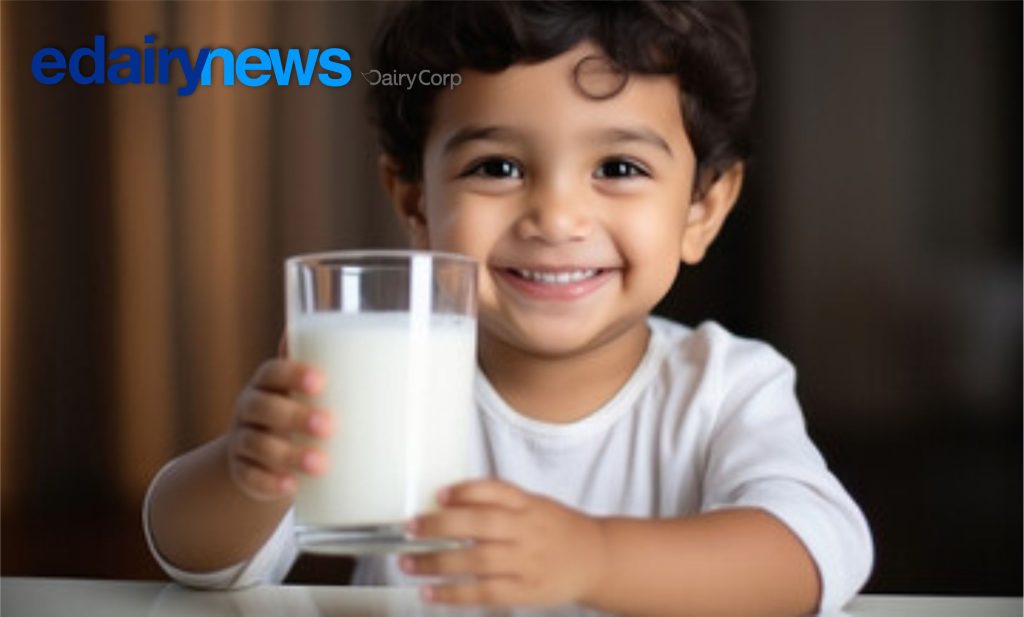
In infant nutrition, this translates into formulas and functional foods capable of adapting to specific needs from the earliest stages of life.
Genetics, epigenetics and the study of the microbiota open the door to precision nutrition that seeks to optimise cognitive, immunological and metabolic development.
This approach has direct implications for dairy. Milk and dairy products contain concentrated proteins, lipids and carbohydrates with high bioavailability and a proven role in child development. Biotechnology now makes it possible to isolate, optimise and combine these components with greater specificity, raising the standard of efficacy and safety.
Functional dairy proteins: from commodity to design
Biotechnology advances are accelerating a key shift from standardised products to engineered ingredients.
Caseins, whey proteins, bioactive peptides and lipid fractions can be modified or selected to fulfil specific functions: from improving digestibility to modulating immune response.
For infant formulas, this means greater functional similarity to human milk and an increasing ability to adapt to different nutritional profiles. For the dairy chain as a whole, it means added value, differentiation and a closer relationship with applied science.
Microbiota, fermentation and new frontiers
Another central focus is the gut microbiota. The interaction between nutrients and microorganisms is now a priority field of research. Specific ferments, probiotics and prebiotics can be precisely designed and combined with dairy matrices to enhance benefits at critical stages of development.
Here, the dairy tradition – historically linked to fermentation – finds a competitive advantage. Biotechnology does not replace this know-how: it amplifies it. The ability to control processes, standardise results and demonstrate clinical impact is increasingly a market requirement.
Regulation, evidence and trust
The greater the technological sophistication, the greater the regulatory demands. Infant nutrition is one of the most regulated segments of the food industry, and the incorporation of biotechnology demands robust evidence, traceability and transparency.
Clinical trials, scientific validation and clear communication are necessary conditions to sustain the confidence of health professionals and consumers.
For dairy companies, this means investing not only in R&D, but also in regulatory capabilities and partnerships with research centres. Biotechnology accelerates the pace of innovation, but also raises the bar.
Opportunities and tensions for the dairy industry
The scenario opens up clear opportunities:
- Development of high value-added ingredients.
- Expansion in infant and clinical nutrition.
- Differentiation based on science and evidence.
But it also poses tensions:
- Investment and scale-up costs.
- Competition with lab-designed non-dairy solutions.
- Public debate on technology, naturalness and consumer perception.
The response is not defensive. It is strategic. The dairy industry has raw materials, production know-how and nutritional legitimacy. Integrating biotechnology is a way to protect and project that capital.
A structural shift, not a fad
Biotechnology applied to infant nutrition is not a passing trend. It is a strategic rethink that redefines how food is conceived, how its impact is measured and how value is built. For dairy, the challenge is clear: to move from being part of the debate to leading it.
In a context where personalisation and evidence are gaining ground, milk and dairy products have the opportunity to position themselves as high-precision nutritional platforms.
Biotechnology does not displace the dairy industry: it forces it to evolve. And in doing so, it opens up a new frontier of growth.
EDAIRYNEWS