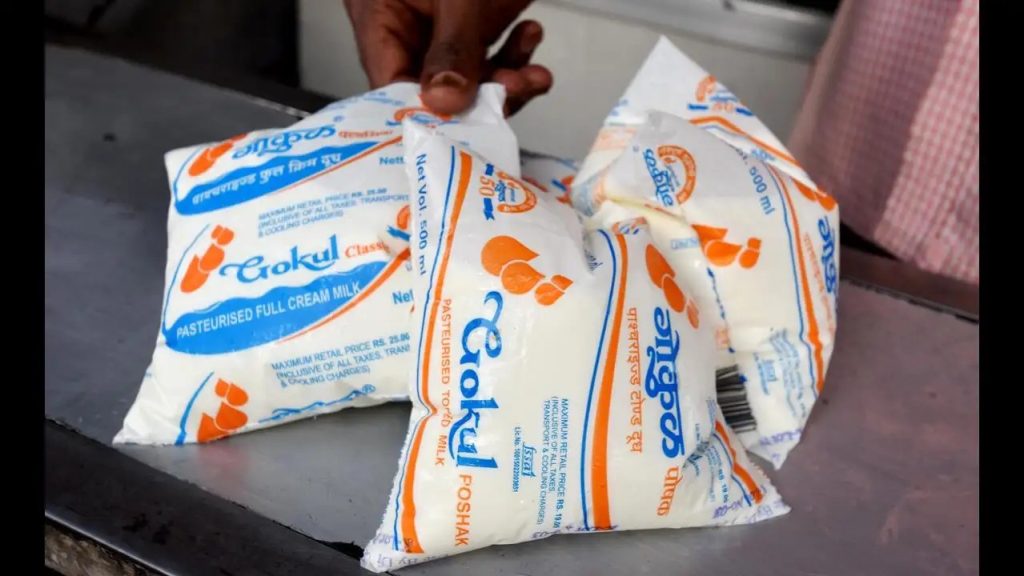


Following Gokul Dairy’s record ₹6-per-litre hike pushing buffalo milk to ₹84 in Pune and Mumbai, rising cattle feed and fodder shortages leave households rethinking daily budgets while industry leaders warn rates could reach ₹100 per litre by mid-2027.
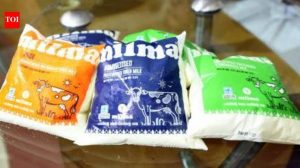
A 68 percent surge in retail milk prices over the past 12 years is forcing middle-income Indian households to reassess an essential daily staple while leaving dairy farmers simultaneously squeezed by escalating feed and fodder expenses. Reported by The Times of India on November 22, 2026, retail prices for Kolhapur-based Gokul Dairy’s flagship buffalo milk have climbed from ₹50 per litre in 2014 to ₹84 per litre in Pune and Mumbai (and ₹78 in Kolhapur) following a record single hike of ₹6 per litre for buffalo milk and ₹4 per litre for cow milk effective November 21. In neighborhood retail shops, consumers often pay an additional ₹2 per litre to cover chilling costs—turning what was once a routine grocery purchase into a carefully weighed monthly calculation.
Household budget strain is most visible among urban middle-income families who cannot easily eliminate milk from daily diets. Amruta Dhumal, a homemaker from Undri in Pune whose household consumes roughly 23 litres of Gokul buffalo milk per month, noted that her monthly milk bill jumped from approximately ₹1,800 at ₹78 per litre to roughly ₹1,940 at ₹84 per litre. While an extra ₹140 per month may appear modest in isolation, families facing concurrent inflation across groceries and cooking gas (LPG) are increasingly forced to make small compromises elsewhere to maintain household dairy consumption. Small foodservice operators, including local tea vendors hit by both milk and LPG price increases, are similarly holding off on menu hikes for now as margins tighten.
At the farmgate end of the supply chain, higher retail prices are failing to deliver lasting relief for rural milk producers. Sarita Kashid, a dairy farmer in Shiye village in Kolhapur district, explained that although her family consumes home-produced milk, curd, and butter, virtually all payouts received from the dairy cooperative go directly back into feeding cattle. With green and dry fodder becoming increasingly scarce and cattle feed costs climbing—Gokul currently supplies a 45-kilogram sack of cattle feed for around ₹1,200, while competing dairies have already raised feed rates—farmers cannot cut rations without compromising animal nutrition and milk quality, pushing up the cost of producing every litre.
Industry leaders warn that retail price pressures and product availability risks could intensify heading into summer 2027. Chetan Narake, director of Gokul Dairy and a dairy farmer representative at the Indian Dairy Association (IDA) in New Delhi, cautioned that milk prices are unlikely to retreat and could reach ₹100 per litre by April–May 2027. Narake further warned that tightening milk fat and solids-not-fat (SNF) availability could strain value-added dairy manufacturing, potentially causing products such as paneer, cheese, and ghee to face retail shortages starting as early as December 2026.
Maharashtra’s steep cooperative revisions mirror a wider nationwide wave of dairy price adjustments across India in November 2026. Alongside Gokul and fellow Kolhapur cooperative Warana Dairy—which also raised buffalo milk by ₹6 per litre and cow milk by ₹4 per litre on November 21—national leaders Amul and Mother Dairy increased fresh pouch milk prices earlier in the month, citing higher procurement payouts, fodder inflation, packaging, and transport expenses. Without targeted relief in fodder distribution and affordable cattle feed, both Indian consumers and smallholder dairy farmers face a challenging cost environment entering 2027.
Source: The Times of India
You can now read the most important #news on #eDairyNews #Whatsapp channels!!!
🇮🇳 eDairy News ÍNDIA: https://whatsapp.com/channel/0029VaPidCcGpLHImBQk6x1F