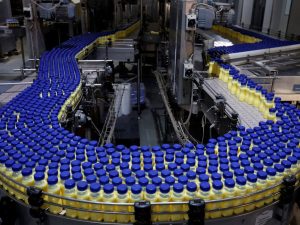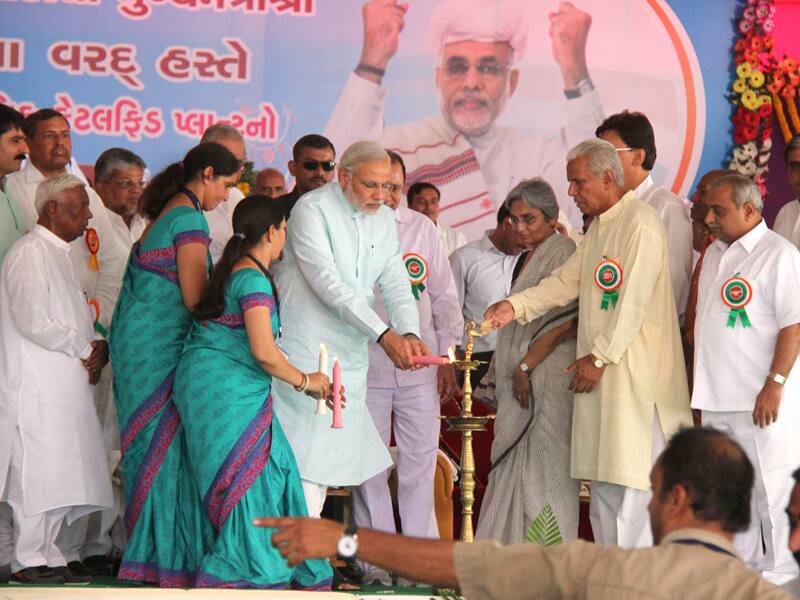


Built at a capital investment of Rs 140 crore in Katarva near Deesa, the automated manufacturing facility is engineered to produce 1,000 metric tonnes of balanced cattle nutrition daily to support north Gujarat’s rapidly expanding cooperative milk shed.
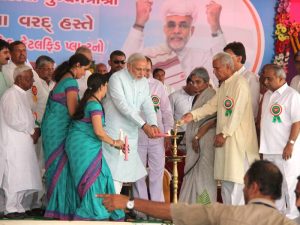
India’s cooperative dairy infrastructure has taken a major leap forward in upstream feed security following the inauguration of Asia’s largest cattle feed manufacturing facility at Katarva, near Deesa in Gujarat’s Banaskantha district. Managed by the Banaskantha District Cooperative Milk Producers’ Union—widely recognized as Banas Dairy—the automated plant was formally dedicated by Gujarat Chief Minister Narendra Modi alongside Banas Dairy chairman Parathibhai Bhatol and cooperative leadership. Constructed at a total capital cost of Rs 140 crore, the Katarva Cattle Feed Plant boasts an initial daily production capacity of 1,000 metric tonnes of balanced compound animal nutrition, complemented by Banas Dairy’s existing 700-tonne-per-day facility in Palanpur. By scaling industrial feed milling capacity directly within a semi-arid agricultural region, the cooperative aims to insulate smallholder dairy farmers against seasonal fodder deficits while boosting milk solids yields per animal.
Feed formulation efficiency and ruminant nutrition economics form the operational core of the Katarva manufacturing complex. Across India’s smallholder dairy sector, balanced compound feed accounts for the single largest variable production expense, directly governing milk butterfat percentages, solids-not-fat (SNF) composition, and bovine reproductive fertility. Automated batching, steam conditioning, and pelleting lines at the Katarva facility process locally procured oilseed cakes, cereal brans, mineral mixtures, and bypass protein supplements into uniform, nutrient-dense pellets designed to maximize rumen microbial efficiency. Supplying reliable, quality-tested compound feed at cooperative scale prevents price gouging during dry summer months and ensures consistent daily nutrient intake across hundreds of thousands of village milking animals.
Rapid milk procurement expansion across north Gujarat underscores why large-scale backward integration into feed milling became an urgent strategic necessity for Banas Dairy. Over a twelve-year growth trajectory beginning in 2001, daily raw milk collection across Banas Dairy’s network expanded tenfold from 3.5 lakh litres to 35 lakh litres—propelled by rural electrification, village-level bulk milk chilling infrastructure, and women-led dairy entrepreneurship. Sustaining such dramatic volume growth in Banaskantha—a district historically prone to erratic rainfall and water scarcity—required pairing water conservation and drip irrigation initiatives with guaranteed supplies of high-grade concentrated cattle feed.
Veterinary healthcare and preventive herd management initiatives deployed alongside the feed plant further strengthen herd productivity across Gujarat’s rural milk sheds. During the inauguration ceremony, state leadership highlighted comprehensive animal husbandry campaigns that have eradicated 121 livestock diseases across Gujarat while introducing specialized mobile veterinary clinics and orthopedic treatment services for cattle. Integrating preventive veterinary medicine with scientifically balanced nutrition reduces metabolic disorders, shortens calving intervals, and extends the productive lifespan of high-yielding indigenous and crossbred dairy cattle.
Broader cooperative development dynamics across India’s dairy sector illustrate how vertically integrated supply chains translate agricultural scale into resilient rural incomes. Operating as a flagship member union of the Gujarat Cooperative Milk Marketing Federation (GCMMF)—which markets dairy products nationally and internationally under the Amul brand—Banas Dairy channels the majority of consumer retail realizations directly back to village milk producers. Large-scale feed milling assets strengthen this cooperative value proposition by lowering unit manufacturing costs, absorbing local grain and oilseed byproducts from regional crop farmers, and stabilizing farmgate margins.
Looking ahead, continued investment in high-capacity feed manufacturing, automated milk processing, and veterinary extension services will remain foundational to sustaining milk production growth across Gujarat and India. As Banas Dairy continues scaling both raw milk procurement and value-added dairy processing, the Katarva Cattle Feed Plant provides critical nutritional infrastructure supporting millions of rural livelihoods.
Source: NarendraModi.in
You can now read the most important #news on #eDairyNews #Whatsapp channels!!!
🇮🇳 eDairy News ÍNDIA: https://whatsapp.com/channel/0029VaPidCcGpLHImBQk6x1F