



Tamil Nadu Dairies Association petitions state government over cooperative subsidies, warning of market distortion and consumer price pressure.
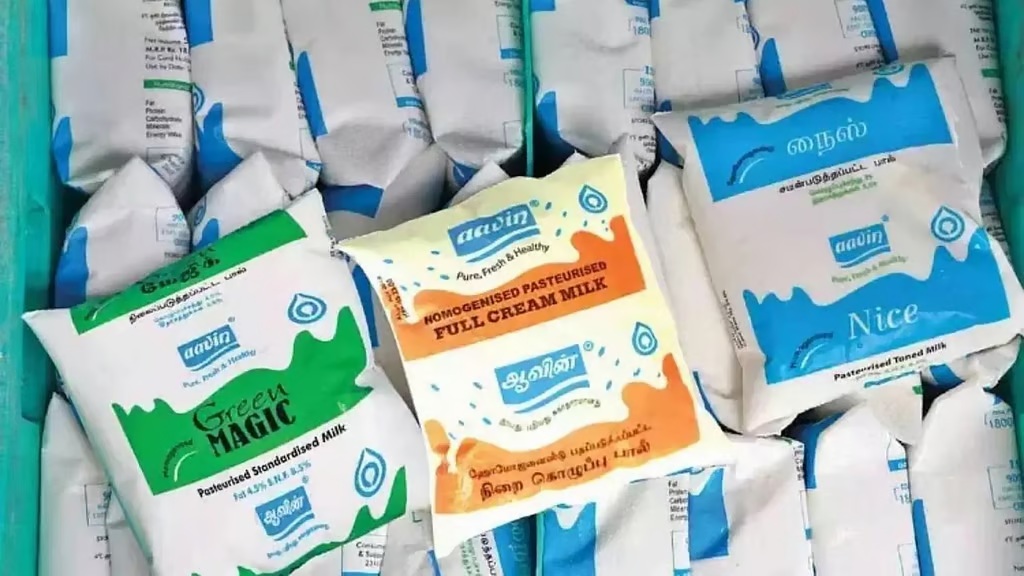
The Tamil Nadu Dairies Association has submitted a formal representation to Chief Minister C Joseph Vijay urging the state government to overhaul its subsidy framework for the state-run cooperative Aavin and guarantee a level playing field for private dairy enterprises. Representing an industry segment that accounts for roughly 75% of milk procurement and liquid sales across the state, the association warned that successive government-funded increases in Aavin’s farmgate procurement rates are distorting the regional dairy market and placing unsubsidized private operators under severe margin distress.
The dispute follows consecutive state interventions that raised Aavin’s cow milk procurement price twice in late August—first lifting it from ₹38 to ₹41 per liter on August 19, and subsequently jumping to ₹44 per liter on August 31. While the state administration justified the revisions as necessary relief for dairy farmers facing surging fodder, feed, and labor expenses, the price hike carries a substantial fiscal burden, estimated to cost the state treasury an additional ₹60 crore per month in direct budgetary subventions and financial support.
Private dairy processors argue that this targeted fiscal intervention creates an unfair competitive imbalance. Unlike Aavin, which relies on state subsidies to absorb procurement price hikes while maintaining artificially suppressed consumer retail prices, private dairies receive no equivalent public subventions. To prevent producer defection and secure milk supplies against both the cooperative and procurement agents from neighboring states, private companies have been compelled to match or exceed these elevated farmgate rates, forcing them to pass higher costs directly onto retail consumers through pouch price increases.
The association emphasized that this policy framework leaves private processors and their contracted dairy farmers caught in an unsustainable squeeze. With Aavin’s retail prices kept artificially low through state underwriting, the price spread between subsidized cooperative milk and unsubsidized private milk has widened, triggering retail demand imbalances and penalizing producers who supply private supply chains. Pointing to structural alternatives, the association cited Gujarat’s Amul model, suggesting that dairy cooperatives should distribute audited operating profits and performance bonuses back to member producers rather than relying on ongoing taxpayer-funded procurement subsidies.
The standoff in Tamil Nadu highlights the complex political economy of dairy pricing across southern India, where public subsidies intended to support rural livelihoods frequently collide with the commercial realities of deregulated milk markets. Resolving this tension will require policymakers to balance rural producer welfare with market-oriented pricing mechanisms that do not penalize private capital investments. As state officials prepare an upcoming white paper on Aavin’s operational management, the private sector’s appeal highlights the necessity of regulatory parity to maintain long-term investment, cold-chain resilience, and competitive supply across the state.
Source: DT Next
You can now read the most important #news on #eDairyNews #Whatsapp channels!!!
🇮🇳 eDairy News ÍNDIA: https://whatsapp.com/channel/0029VaPidCcGpLHImBQk6x1F