


Strategic joint venture establishes ten compressed biogas plants to convert agricultural and dairy manure into renewable energy and organic fertilizer.
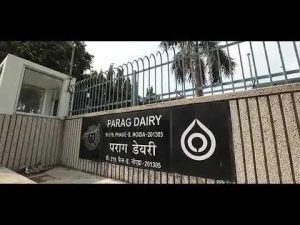
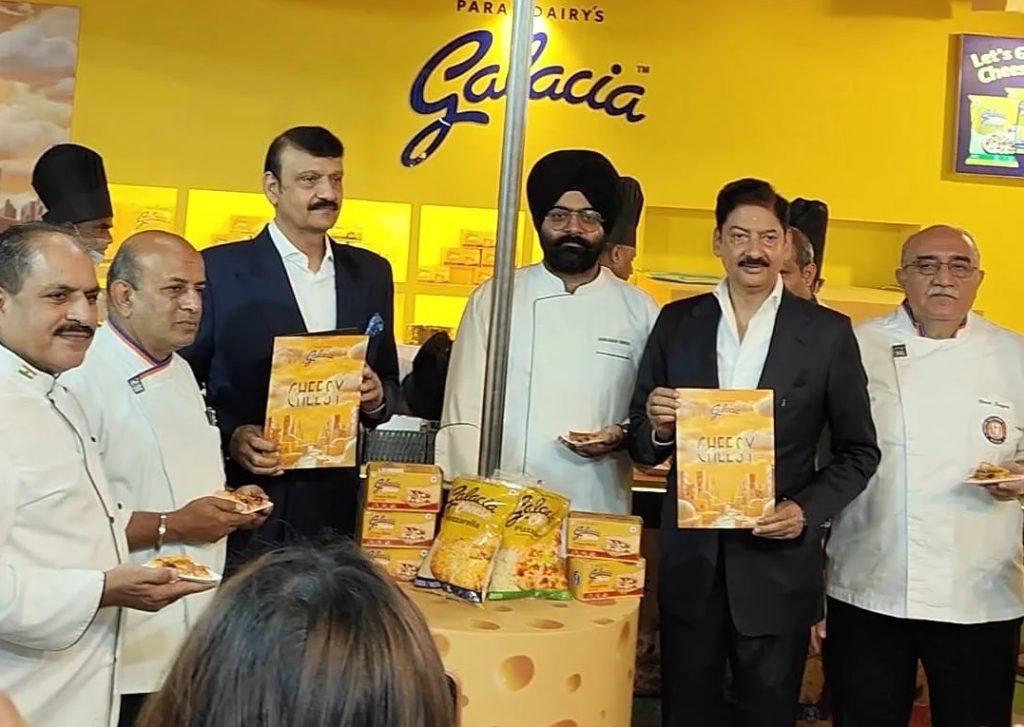
Prominent Indian dairy processor Paras Dairy has entered into a strategic joint venture with Bengaluru-based clean technology firm KIS Group to establish ten Bio-CNG (compressed biogas) production plants. Backed by a projected capital expenditure of ₹1,000 crore (approximately $105 million), the agreement formalizes a commercial partnership aimed at converting agricultural and dairy livestock waste into pipeline-grade renewable fuel. The memorandum of understanding reflects a growing strategic push across India’s organized dairy sector to monetize biological byproducts and capture long-term circular economy value.
The industrial biogas infrastructure will be strategically developed across prime dairy processing and milk collection belts, with initial projects planned throughout Uttar Pradesh, Madhya Pradesh, and Maharashtra. Paras Dairy already maintains substantial manufacturing operations in Sahibabad, Guloathi, and Sandila in Uttar Pradesh, Malanpur in Madhya Pradesh, and Newasa in Maharashtra. Locating the waste-to-energy assets in close proximity to established milk procurement zones ensures direct logistical access to steady, high-volume biological feedstocks.
Operational responsibilities within the joint venture follow a clear structural division leveraging each partner’s core competencies. KIS Group, an experienced biogas and bio-LNG engineering solutions provider, assumes full technical management, covering engineering, procurement, plant construction, and day-to-day facility operations. In return, Paras Dairy oversees site procurement, regulatory permitting, and the long-term aggregation of dairy manure and agricultural biomass through its extensive village-level farmer networks.
Monetizing animal waste within organized procurement sheds establishes crucial supplementary revenue streams for participating dairy producers. Leveraging rural milk producer associations for feedstock aggregation integrates smallholders directly into the compressed biogas value chain, creating diversified household income beyond fluid milk payments. Simultaneously, commercial byproducts generated during anaerobic digestion—principally high-nutrient fermented organic bio-fertilizer—provide rural producers with cost-effective alternatives to synthetic chemical inputs, improving soil organic carbon profiles.
Integrating large-scale Bio-CNG manufacturing strengthens corporate ESG metrics while aligning with national green energy blending mandates and decarbonization goals. By intercepting methane emissions from open manure storage and transforming dairy effluent into transport-grade biomethane, dairy processors insulate themselves against rising industrial energy costs. As corporate capital flows accelerate into agri-waste valorization, joint ventures combining technical clean-tech expertise with established dairy supply chains will play a defining role in sustainable agribusiness growth across South Asia.
Source: Rediff
You can now read the most important #news on #eDairyNews #Whatsapp channels!!!
🇮🇳 eDairy News ÍNDIA: https://whatsapp.com/channel/0029VaPidCcGpLHImBQk6x1F