Livestock and dairy account for 85% of methane emissions in Himachal Pradesh, spotlighting climate challenges in India’s dairy sector.
Himachal Dairy Drives 85% of Methane Output
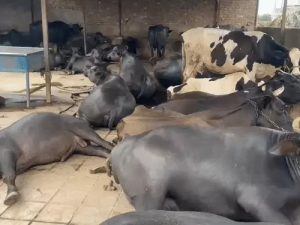
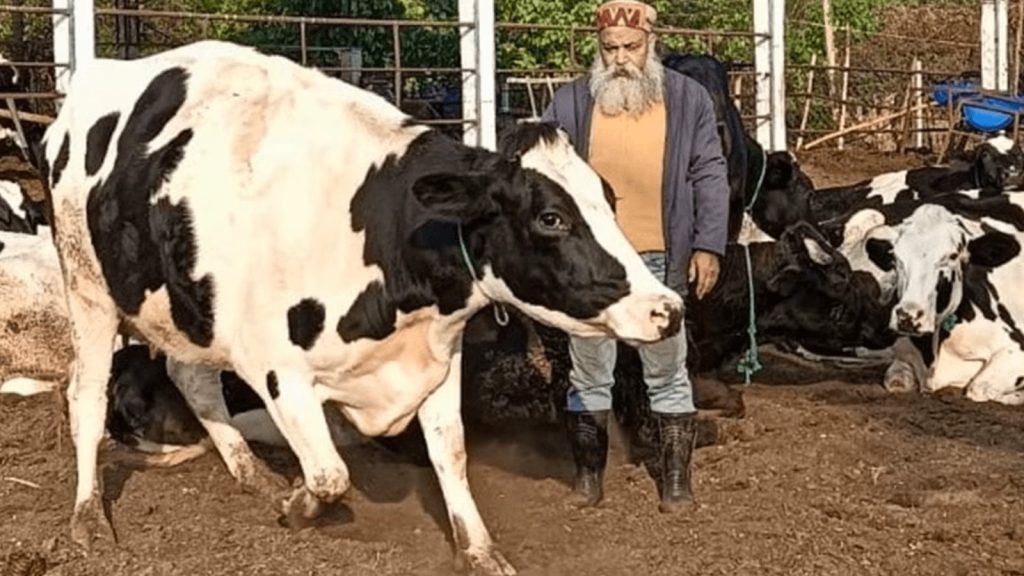
“Livestock contributes nearly 85 per cent of annual methane emissions in the baseline year and emissions are projected to continue rising under a Business-As-Usual (BAU) scenario. For the purpose of the assessment, 2019 was taken as the baseline year,” the study stated. (Express File Photo)

Livestock emissions dominate state’s greenhouse gas profile, raising climate and dairy sustainability concerns.

Livestock and dairy activities account for an overwhelming 85% of methane emissions in Himachal Pradesh, according to official data cited in the report. The findings place animal husbandry at the center of the state’s greenhouse gas profile, underscoring the environmental footprint of its dairy-driven rural economy. Methane, a potent greenhouse gas, is primarily released through enteric fermentation in cattle and manure management practices.

The data highlight the scale of livestock’s contribution to emissions compared to other sectors in the state. With agriculture forming a backbone of Himachal’s economy, dairy farming and cattle rearing are widespread, making methane mitigation a complex policy challenge. The figures reinforce the link between rising livestock populations and increasing emissions intensity in hill states reliant on dairy and mixed farming systems.

Officials note that the emissions profile calls for targeted climate action within the livestock and dairy sectors. Strategies under consideration include improved feeding practices, better manure management systems and enhanced breeding programs to boost productivity while potentially reducing emissions per unit of milk produced. Such measures align with broader national climate commitments and sustainability targets.

For dairy producers, the report underscores the growing intersection between milk production and climate policy. As sustainability standards tighten globally, the environmental performance of dairy supply chains is coming under greater scrutiny. Reducing methane emissions while maintaining milk output will require technological innovation, extension services and farmer engagement.

From a market perspective, the data carry implications beyond environmental policy. As global dairy buyers increasingly factor carbon intensity into procurement decisions, regions with high methane footprints may face pressure to adopt low-emission production models. Himachal Pradesh’s emissions profile thus reflects a broader challenge confronting India’s dairy sector: balancing growth, rural livelihoods and climate responsibility.

You may be interested in

Related
notes

BUY & SELL DAIRY PRODUCTOS IN

Featured

Join to

Most Read

1.

2.

3.

4.

5.

Log in to my Account