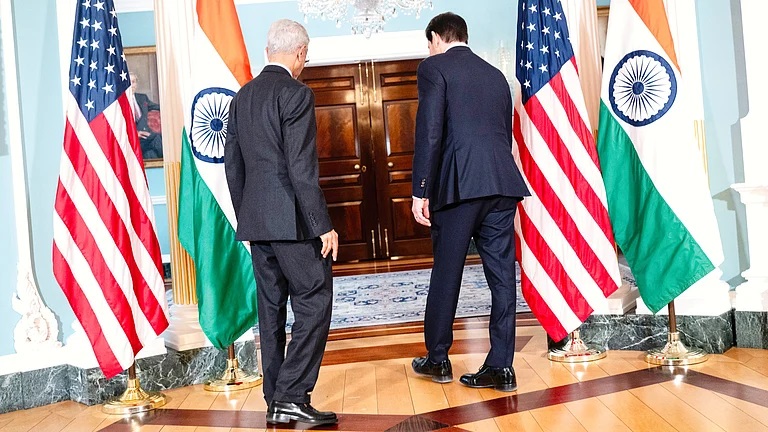




Critics warn opening agricultural markets to U.S. imports could weaken rural incomes and expose Indian farmers to heavily subsidised competition.
The proposed India–US trade agreement has sparked deep concern among Indian farm advocates, who argue that long-held protections for agriculture are being eroded amid broader commercial cooperation. Traditionally, India has kept its agricultural sector — including crops like maize, soybean and cotton — outside major trade pacts to shield smallholder farmers from low-cost, subsidised imports. The current negotiation, however, appears to break with that precedent, leading critics to assert that agriculture is now included despite official silence on final terms.
U.S. authorities have openly celebrated the pact as a boon for American producers, with the U.S. Agriculture Secretary thanking President Donald Trump for opening the Indian market to U.S. farm exports. This has fuelled scepticism among Indian commentators, who point out that the deal’s details remain unpublished, making it impossible to assess what concessions India has made or what protections remain in place for domestic farmers, including dairy producers.
A central worry is that India’s small-scale farmers — who lack the subsidy support and economies of scale enjoyed by U.S. agriculture — could be unable to compete if duties on corn, soybean oil, apples, almonds or dairy products are lowered or abolished. Cheap American goods could undercut local prices, threatening rural livelihoods and destabilising regions heavily reliant on farm income. Critics say this risk is particularly acute in staple and commodity markets where Indian production costs are comparatively high.
The situation is compounded by longstanding policy trends, according to analysts, where investment in agriculture has been declining domestically even as trade negotiations accelerate. Recent budget outcomes show reduced allocations for agriculture and allied sectors, and longstanding protective measures such as bans on genetically modified crops or dairy derived from cattle fed certain feedstocks may be under review as part of trade discussions. These shifts, critics contend, reflect a retreat from India’s historical stance of keeping agriculture insulated from free-trade pressures.
Opposition voices and farm organisations are calling for full transparency on the agreement’s terms, arguing that without clear protections, agriculture could become the “sacrificial lamb” of a broader commercial deal that benefits other sectors like textiles and jewellery at the expense of millions of farmers. Until the deal’s text is disclosed, commentators urge caution, warning that premature celebration might obscure the structural risks facing India’s rural economy.
Source: National Herald India – https://www.nationalheraldindia.com/opinion/how-the-india-us-trade-deal-will-deepen-the-farm-crisis-tomorrow
You can now read the most important #news on #eDairyNews #Whatsapp channels!!!
🇮🇳 eDairy News ÍNDIA: https://whatsapp.com/channel/0029VaPidCcGpLHImBQk6x1F