

NDDB Chairman hails the “Viksit Bharat” vision as federal funding surges to transform the nation into a global dairy powerhouse.
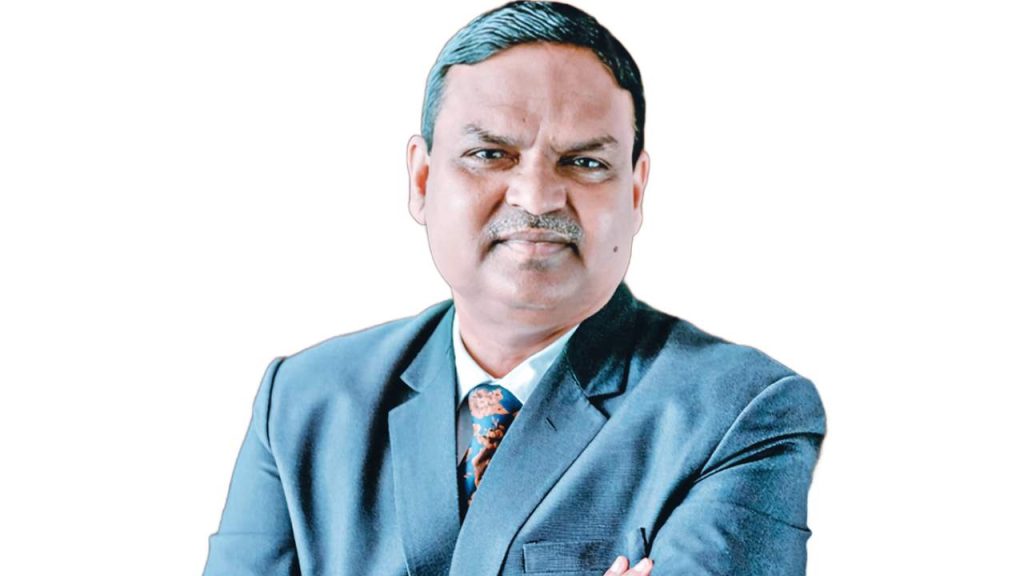
The Union Budget 2026–27 has set a transformative course for India’s dairy landscape, positioning it as a primary engine for the “Viksit Bharat” vision. NDDB Chairman Dr. Meenesh Shah highlighted that the animal husbandry sector received a significant 16% boost in allocation, reaching ₹6,153.46 crore. This fiscal roadmap prioritizes the rural economy, recognizing that the livestock sector is a vital growth driver that provides essential livelihoods to millions of households across the country.
Central to this growth strategy is a new ₹500 crore Integrated Scheme for Entrepreneurship Development, designed to modernize livestock enterprises and build integrated dairy value chains. By promoting Livestock Farmer Producer Organisations (FPOs) and offering credit-linked subsidies, the government aims to foster rural entrepreneurship. This initiative is expected to generate quality employment and transition the sector from subsistence-oriented models toward formalized, value-added systems.
To address critical infrastructure gaps, the budget proposes the addition of 20,000 veterinary professionals and a loan-linked subsidy scheme for new veterinary colleges, hospitals, and diagnostic laboratories. Targeting India’s massive livestock population of 53 crore, including 30 crore dairy animals, these measures focus on improving herd productivity and disease management. This systematic strengthening of animal healthcare is a cornerstone for ensuring the long-term sustainability of the sector.
Tax reforms within the budget specifically target the financial health of primary cooperatives by extending full deduction benefits to cattle feed sales. With cooperatives handling an estimated 102 lakh metric tonnes of cattle feed annually, this move significantly reduces their tax burden. Dr. Shah noted that Indian dairy cooperatives already return over 75% of the consumer rupee to producers, and these fiscal incentives will further enhance payouts directly into farmers’ hands.
Sustainability and circular economy goals also received a major push through incentives for the Centralised Bio-CNG model. The budget excludes the value of biogas from excise duty calculations for biogas-blended CNG, encouraging the conversion of dairy waste into clean fuel and organic fertilizer. In summary, the NDDB describes the 2026–27 budget as a milestone that improves capital efficiency and reduces tax distortions, paving the way for a more resilient and inclusive dairy economy.
Source: The Daily Pioneer
You can now read the most important #news on #eDairyNews #Whatsapp channels!!!
🇮🇳 eDairy News ÍNDIA: https://whatsapp.com/channel/0029VaPidCcGpLHImBQk6x1F