



A nationwide supply freeze hits supermarkets as producers protest a government push to scrap quotas and eliminate all import tariffs.
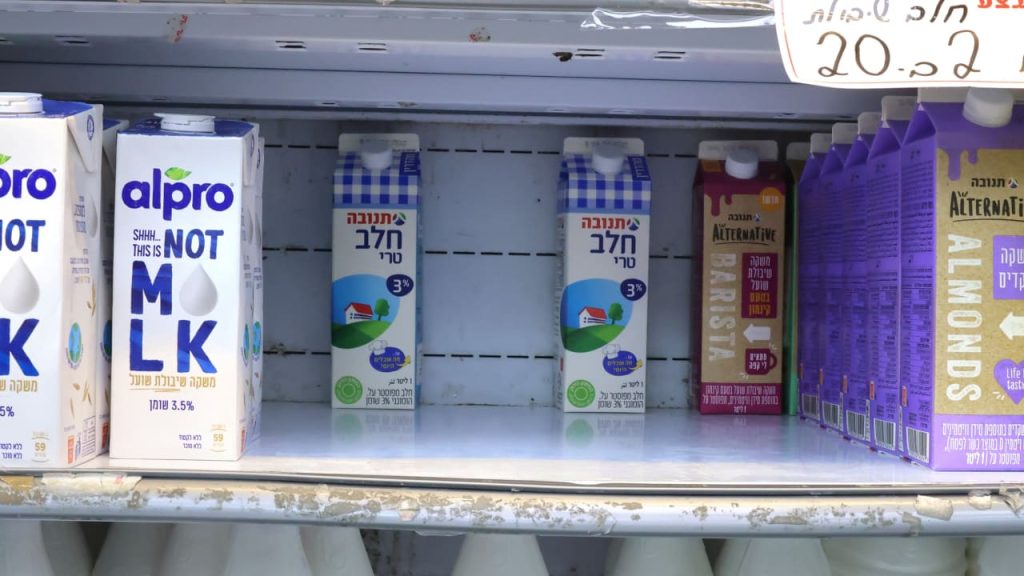
Israel is facing an acute milk shortage as the national dairy supply chain ground to a halt this Tuesday. The Israeli Cattle Breeders Association (ICBA), which represents dairy operations across the country, has launched an indefinite nationwide strike, freezing all milk deliveries to processing plants. This drastic measure has already emptied supermarket shelves in several regions, leaving consumers and retailers caught in the crossfire of an escalating policy dispute.
The unrest is a direct response to a radical reform package spearheaded by Finance Minister Bezalel Smotrich. The proposed overhaul seeks to dismantle the traditional foundations of the Israeli dairy industry by removing production quotas and scrapping price protections that have long insulated local producers. Most controversially, the plan aims to eliminate all import tariffs on dairy products, opening the domestic market to unrestricted international competition to lower consumer costs.
From the producers’ perspective, the government’s attempt to boost competition is a death knell for the agrarian community. ICBA Chairman Israel Bloch has slammed the Finance Ministry for failing to evaluate the plan’s consequences, warning that the current proposal “destroys the whole milk sector.” Farmers argue that the combination of high production costs, strict internal regulations, and the market dominance of large dairies makes it impossible to compete with global imports under these new terms.
The economic stakes are staggering, with industry leaders warning that up to 400 local dairy farms could be forced into permanent closure if the protections are removed. While the government views the reform as a necessary tool to break monopolies and reduce the cost of living, smaller producers fear they will be the first casualties of a deregulated environment. This resistance highlights a fundamental clash between maintaining national food production and achieving retail affordability through imports.
Finance Minister Smotrich remains defiant, attributing high shelf prices to existing market monopolies rather than production costs. In a public statement, he emphasized that the government’s primary obligation is ensuring that milk remains available and affordable for all citizens, whether produced locally or sourced from abroad. As both sides refuse to budge, the “indefinite” nature of the strike suggests a prolonged period of instability and supply shortages for the Israeli dairy market.
Source: Xinhua News Agency via English.News.cn
You can now read the most important #news on #eDairyNews #Whatsapp channels!!!
🇮🇳 eDairy News ÍNDIA: https://whatsapp.com/channel/0029VaPidCcGpLHImBQk6x1F