


EU trade chief says safeguard commitments preserved as landmark free trade pact nears announcement.
Ahead of a Free Trade Agreement (FTA) expected to be formally unveiled at the India–EU Summit in New Delhi on January 27, 2026, the European Union’s Trade and Economic Security Commissioner Maroš Šefčovič confirmed that both sides have respected their “red lines” on agriculture and dairy, two of the most politically sensitive sectors in the negotiations. This reassurance came in an exclusive interview with CNBC-TV18, signalling confidence that core domestic interests were protected even as tariff liberalization advances.
Šefčovič explained that the draft FTA is designed to liberalize tariffs on roughly 97–99 % of goods traded, though not all lines will see full duty elimination. For agriculture and dairy, the pact incorporates safeguards such as quotas and phased cuts, reflecting longstanding concerns from both Indian farmers and European producers about exposure to foreign competition. The nuanced tariff structure aims to balance market access with domestic sector protections.
The trade deal is expected to be implemented from 2027, once legal scrubbing and ratification steps are completed by both sides. EU aims include reducing administrative and regulatory barriers that currently slow bilateral commerce, and adopting a rapid response framework to sustain trade flows. For Indian exporters, the agreement promises a more predictable trading environment amid shifting global supply dynamics.
Šefčovič also highlighted that the FTA would unlock significant economic benefits beyond tariff cuts, potentially doubling trade in goods and services from today’s approximate USD 180 billion level and encouraging European investment in India. EU companies might save an estimated €4 billion annually in customs duties once the pact is fully in force, while sectors such as autos, textiles, IT and pharmaceuticals could see improved market access.
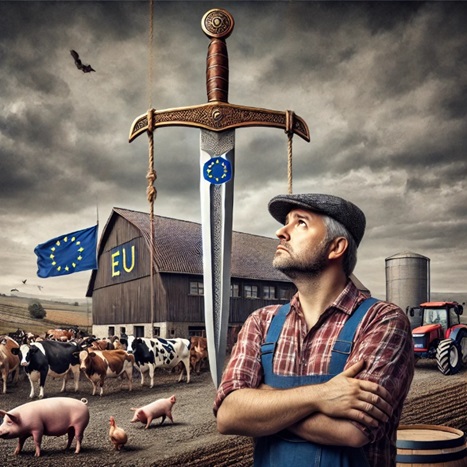
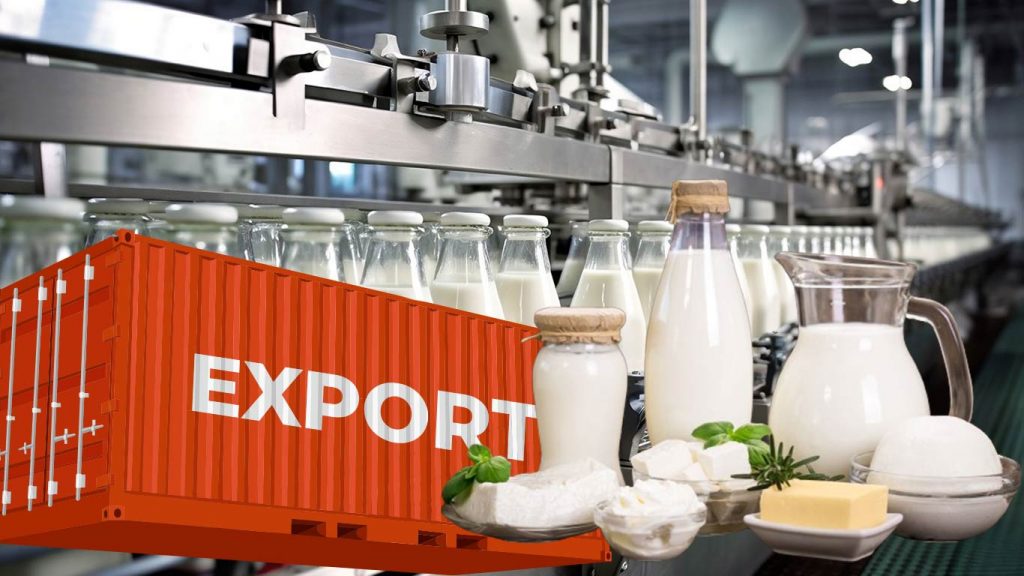
Importantly for the global dairy community, the EU-India pact stops short of broad market liberalization in primary agriculture and dairy — a decision that underscores the political and socioeconomic importance of these sectors on both sides. Stakeholders in dairy supply chains should watch closely how quota regimes and phased tariff pathways unfold as the agreement moves toward implementation.
Source: CNBC-TV18 via agrimoon.com – https://www.cnbctv18.com/economy/india-eu-fta-red-lines-on-agriculture-and-dairy-fully-respected-says-eu-trade-commissioner-ws-l-19829611.htm
You can now read the most important #news on #eDairyNews #Whatsapp channels!!!
🇮🇳 eDairy News ÍNDIA: https://whatsapp.com/channel/0029VaPidCcGpLHImBQk6x1F