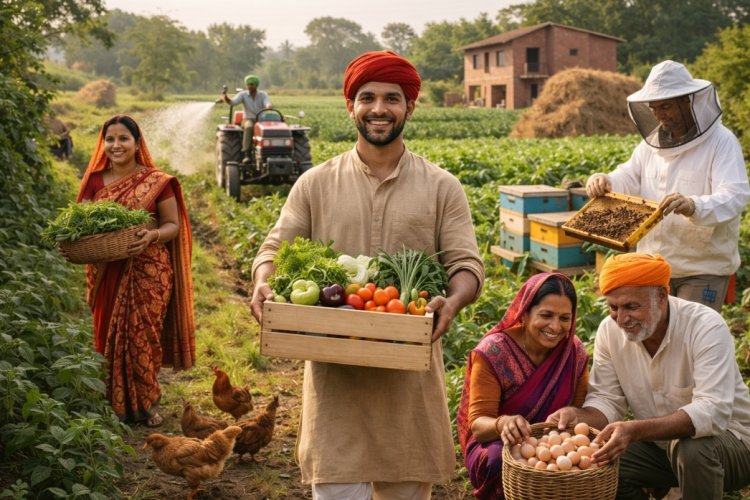



Organic vegetable farming is now one of the most visible rural ventures, particularly in areas close to towns and cities. Growing concern over food safety and chemical residues has encouraged urban consumers to seek vegetables produced with compost, botanical sprays, and soil-friendly methods.
This model fits naturally into village life. Inputs such as farmyard manure, crop residues, and natural pest control materials are easy to source. Crop rotation helps maintain soil fertility and gradually lowers production costs. Even without immediate certification, farmers can sell directly to neighbors, local retailers, or through community vegetable boxes while building trust and exploring formal organic status over time.
Poultry farming and fast income cycles
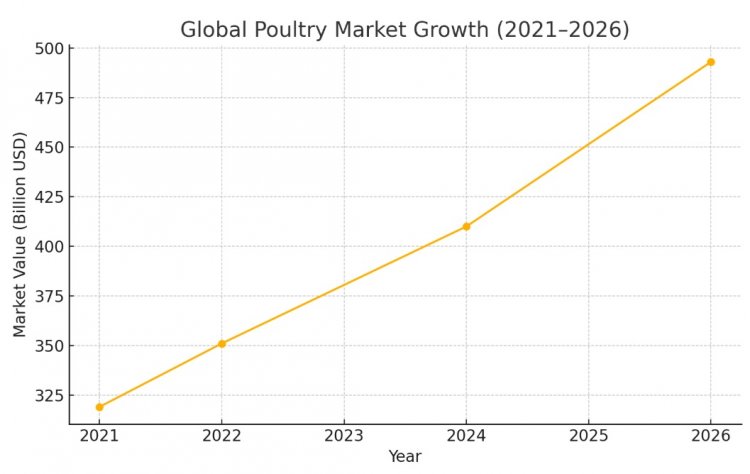
Among all agribusiness ideas, poultry remains one of the fastest-return models. It is suitable for families with small landholdings or none at all. Broiler production generates income within 35 to 45 days, while layer farming ensures steady egg sales throughout the year.
Local demand keeps transport costs low and reduces market risk. Although feed makes up the largest share of expenses, many producers cut costs by sourcing ingredients locally. Simple sheds with good ventilation and basic biosecurity measures go a long way in controlling disease and protecting profit margins. Rural credit and development institutions continue to support backyard poultry and small commercial units as engines of village income.
Beekeeping as a low-capital green business
Beekeeping remains one of the most underestimated agribusiness models in rural India. It requires little land, minimal labor time, and relatively low capital. Entrepreneurs only need hive boxes, basic tools, and a starter bee colony.
Bees thrive on wildflowers, fruit trees, and field crops, making honey production naturally sustainable. Besides selling honey, farmers also benefit from improved pollination, which can raise yields on neighboring farms. This indirect gain often proves just as valuable as honey sales.
Mushrooms and high output from small spaces
Mushroom cultivation is ideal for those with limited land or an interest in indoor farming. Varieties such as oyster and shiitake grow well on agricultural waste like straw and compost in controlled environments.
Demand for mushrooms continues to rise, driven by their reputation as nutritious, protein-rich foods. Grow bags can be stacked vertically, allowing farmers to turn small rooms or sheds into productive units. Hotels, restaurants, and retailers increasingly prefer locally grown mushrooms for freshness, and drying extends shelf life for distant markets.
Mini-scale dairy and steady milk demand
Mini-scale dairy farming remains a reliable choice in rural areas. Starting with two cows or buffaloes is enough to build a foundation. Daily milk demand is stable, and local cooperatives and chilling centers simplify sales.
Productivity depends on breed selection, balanced fodder, and basic veterinary care. Manure can be converted into compost or biogas, closing the loop in sustainable village production systems. Government programs under White Revolution 2.0 aim to strengthen cooperatives and expand procurement, helping farmers reduce dependence on private traders.
Planning for success
Rural agribusiness works best when entrepreneurs choose models that fit local demand and personal capacity. Accessing training, cooperative marketing, and small branding efforts can make the difference between subsistence and sustainability.
For 2026, agribusiness is proving that even low-cost rural ventures can deliver reliable income while strengthening village economies and supporting green growth.
Written for eDairyNews, with information from: Rural Voice