


Data Journalism Uncovers the Supply Chain Deficit as Local Milk Production and Meat Output Fall Short of Resident Needs.
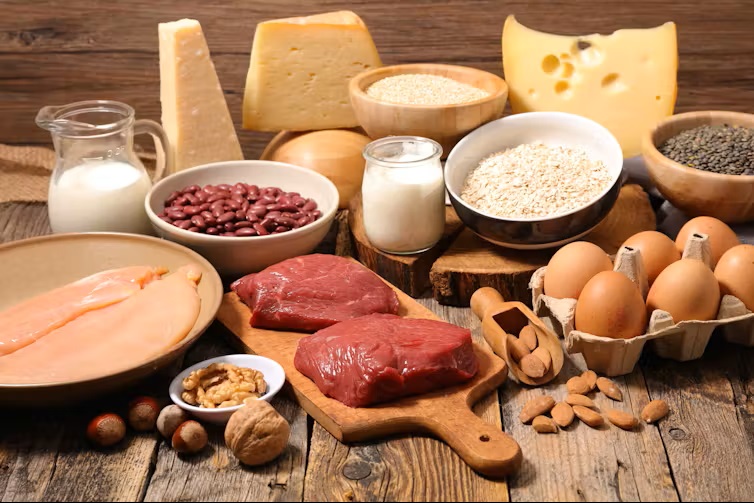
A critical analysis of the agribusiness supply chain within Bihar reveals a substantial and growing protein deficit, signaling significant structural challenges within the local dairy sector and allied industries. The state’s current rate of production for essential commodities—namely milk, eggs, and meat—is demonstrably insufficient to meet the basic nutritional requirements of its resident population. This shortfall poses immediate concerns regarding food security and necessitates an urgent review of current dairy management and livestock development strategies.
Focusing on milk production, which forms a core component of local food systems, the data indicates that output volume has lagged severely behind consumption trends. While Bihar is an integral part of the larger Indian dairy sector, its localized capacity to deliver fresh milk to its own citizens is restricted by infrastructure and productivity constraints. This scarcity impacts not only rural dairy producers but also raises wholesale prices for consumers across urban centers, directly influencing regional dairy economics.
The supply-demand gap is not isolated to the liquid milk market; parallel shortages are evident in both egg and meat production, pointing to systemic weaknesses across the entire animal husbandry domain. These deficiencies create an over-reliance on external state sourcing and complex inter-state supply chain logistics to bridge the nutritional void. For agribusiness analysts, this reveals a high-risk operational model vulnerable to transport disruptions and regional price volatility.
Addressing this deficit requires a concentrated, data-driven approach centered on boosting on-farm productivity and upgrading the local dairy supply chain. Strategic investments must be channeled into enhancing animal genetics, improving access to quality feed and veterinary services, and developing robust processing and cold chain infrastructure. Without these fundamental changes, the current situation represents a missed opportunity for local job creation and economic growth within the agribusiness landscape.
In conclusion, the findings present a compelling case for regulatory and financial intervention aimed at stabilizing protein availability within Bihar. This is more than a local issue; it serves as a crucial indicator of the production pressures faced by rapidly growing regions globally. The sustained success of the state’s dairy producers and dairy management hinges on their ability to rapidly scale production to achieve self-sufficiency, reducing dependency on costly external imports.
Source: Gain insight into the regional protein deficit data from The Indian Express.
You can now read the most important #news on #eDairyNews #Whatsapp channels!!!
🇮🇳 eDairy News ÍNDIA: https://whatsapp.com/channel/0029VaPidCcGpLHImBQk6x1F