


Exclusive data journalism reveals how lax dairy waste management threatens a major production center’s sustainability.
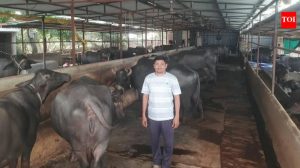
A major international dairy hub, recognized globally for its immense contribution to the milk supply chain, is currently grappling with a severe sanitation crisis stemming directly from insufficient manure management. The rapid and often unregulated growth of livestock concentrations in this area has resulted in operational waste volumes that far exceed the capacity of local infrastructure. This critical failure transforms a highly productive agricultural asset into an urgent public health and environmental hazard, raising serious red flags for dairy analysts monitoring sustainable production practices worldwide.
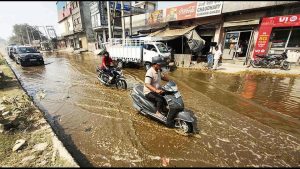
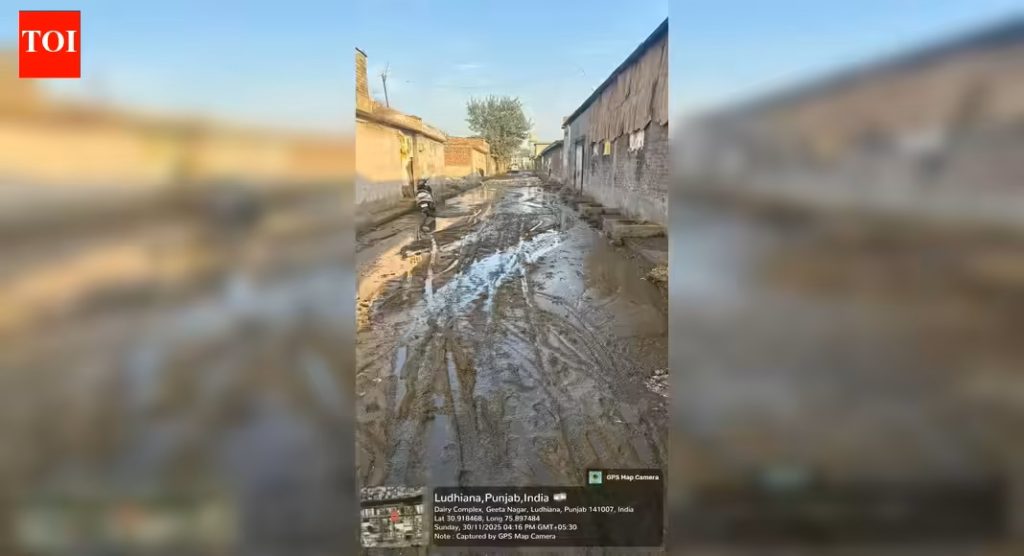
The heart of the crisis lies in the indiscriminate disposal of dairy farm effluent. Instead of being utilized as a valuable resource through biogas conversion or proper composting, massive amounts of liquid and solid waste—or “muck”—are being released directly into public channels, including drainage systems and local waterways. This consistent influx of untreated effluent not only pollutes critical freshwater sources but also contaminates groundwater, creating a dangerous breeding ground for pathogens and seriously affecting the quality of life for surrounding communities.
The economic and reputational damage from this unchecked pollution is profound. While the facility is designed for high-volume output, the associated dairy waste management failures undermine the entire area’s license to operate, potentially jeopardizing market access and consumer trust in the resulting products. For the wider agribusiness community, this scenario underscores the vulnerability of large, concentrated production systems that fail to integrate robust environmental protocols as a core part of their scaling strategy.
Industry experts emphasize that the long-term sustainability of any major dairy hub hinges on disciplined environmental stewardship. The current crisis highlights a systemic failure to invest in crucial infrastructure, such as effluent treatment plants or centralized waste collection systems, that could turn the massive volume of manure from a liability into a circular economic asset. This short-sighted approach is now resulting in significant regulatory and remedial costs that far outweigh the savings from initial infrastructure neglect.
Moving forward, the international dairy community must recognize that sustainable production requires mandatory, scalable solutions for dairy waste management. The immediate priority for this and similar hubs must be the implementation of efficient waste-to-energy or fertilizer programs. Addressing this sanitation crisis is not merely a localized cleanup effort, but an essential component of protecting the economic viability and integrity of the milk supply chain globally.
Source: Read the local report on the environmental challenges impacting this major production center at Times of India.
You can now read the most important #news on #eDairyNews #Whatsapp channels!!!
🇮🇳 eDairy News ÍNDIA: https://whatsapp.com/channel/0029VaPidCcGpLHImBQk6x1F